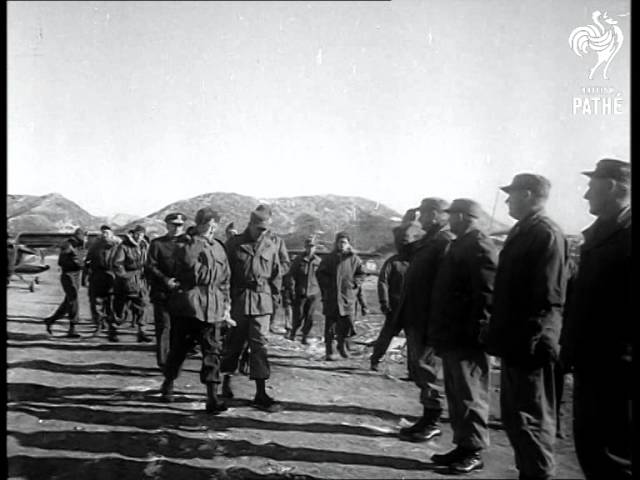
Eisenhower visits Korea during stalemate
Cold War History
Military Strategy
Political Science
4 min read
Updated By: History Editorial Network (HEN)
Published:
Updated:
Eisenhower's visit to Korea occurred during a period characterized by a military and political stalemate in the Korean War. The conflict had reached a point where neither side could secure a decisive victory, leading to prolonged negotiations and a deadlock. Upon his arrival, Eisenhower assessed the situation and recognized the complexities involved in achieving peace. His military background and reputation, particularly from his leadership in Europe, played a crucial role in shaping his approach to the conflict. The administration was under pressure to find a resolution, and Eisenhower contemplated the use of nuclear weapons as a means to compel an armistice if necessary. This consideration reflected the heightened tensions of the Cold War and the strategic calculations being made by U.S. military leaders. The National Security Council, along with the Joint Chiefs of Staff and the Strategic Air Command, developed comprehensive plans for potential nuclear engagement against China, indicating the seriousness of the situation and the lengths to which the U.S. was willing to go to secure its interests in the region. Ultimately, Eisenhower's visit underscored the critical nature of U.S. involvement in Korea, which has continued to influence American military strategy and foreign policy in East Asia. The division of Korea into North and South has persisted, with the U.S. maintaining a significant military presence in South Korea to deter aggression from the North, a legacy of the stalemate that Eisenhower encountered during his visit.
#mooflife
#MomentOfLife
#Eisenhower
#KoreanWar
#NuclearStrategy
#ColdWar
#MilitaryHistory
(3))
Explore the Life Moments of
 AI Twin