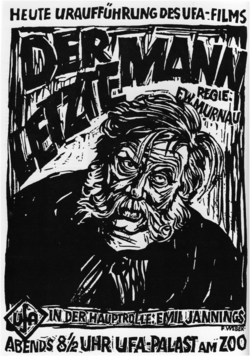
The Last Laugh
Film History
Silent Film
Cinematography
4 min read
Updated By: History Editorial Network (HEN)
Published:
Updated:
The Last Laugh is a silent film directed by F. W. Murnau, released in 1924. This film is notable for its groundbreaking cinematographic techniques, particularly the use of the 'unchained camera', which allowed for dynamic movement and fluidity in storytelling. This technique was revolutionary at the time, as it broke away from the static camera setups that were common in earlier films. The narrative centers around a doorman at a prestigious hotel who faces humiliation when he is demoted to a washroom attendant. The film explores themes of pride, social status, and the human condition, resonating with audiences through its emotional depth and visual storytelling. Murnau's direction, combined with the innovative camera work, contributed to the film's critical acclaim and lasting influence on the art of filmmaking.
The impact of The Last Laugh on the film industry was profound, as it paved the way for future filmmakers to experiment with camera movement and narrative techniques. The film's success demonstrated the potential of silent cinema to convey complex emotions and stories without the need for dialogue. It also influenced the development of the German Expressionist movement, which emphasized visual style and emotional expression. The Last Laugh remains a significant work in film history, often studied for its artistic contributions and technical innovations. Its legacy continues to inspire filmmakers and is regarded as a classic of silent cinema, showcasing the power of visual storytelling in conveying human experiences.
#mooflife
#MomentOfLife
#TheLastLaugh
#F.W.Murnau
#SilentFilm
#UnchainedCamera
#FilmHistory
Primary Reference
The Last Laugh (1924 film)

Explore the Life Moments of
 AI Twin