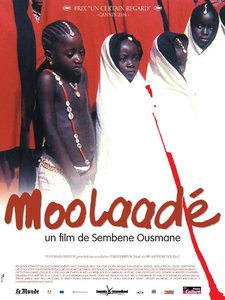
Moolaadé
Film
Culture
Gender Studies
4 min read
Updated By: History Editorial Network (HEN)
Published:
Updated:
Moolaadé is a Senegalese drama film directed by Ousmane Sembène that tackles the critical issue of female genital mutilation (FGM). The film is set in a rural village in Senegal, where the practice of FGM is deeply rooted in cultural traditions. The narrative centers around a woman named Collé, who defies the societal norms by providing sanctuary to a group of girls seeking refuge from the impending ritual of circumcision. This act of resistance not only highlights the struggle against oppressive cultural practices but also serves as a catalyst for broader discussions on women's rights and empowerment within the community. Sembène's work is significant in its portrayal of the conflict between tradition and modernity, as well as the role of women as agents of change in their societies.
The impact of Moolaadé extends beyond its cinematic achievements; it has sparked conversations about the harmful effects of FGM and the need for cultural reform. The film emphasizes the importance of female solidarity and the power of collective action in challenging patriarchal structures. Statistics indicate that millions of women and girls worldwide are affected by FGM, which can lead to severe health complications and psychological trauma. By bringing this issue to the forefront, Moolaadé not only raises awareness but also encourages communities to reconsider and ultimately reject harmful practices. The film has been recognized for its bold stance and has contributed to the global movement advocating for the rights and empowerment of women, making it a pivotal work in the discourse surrounding cultural resistance and gender equality.
#mooflife
#MomentOfLife
#Moolaadé
#OusmaneSembène
#FemaleEmpowerment
#CulturalResistance
#FemaleGenitalMutilation
Primary Reference
Moolaadé

Explore the Life Moments of
 AI Twin