U.S. invasion to quell unrest
Dominican Republic

Political
Global Trade
4 min read
Updated By: History Editorial Network (HEN)
Published:
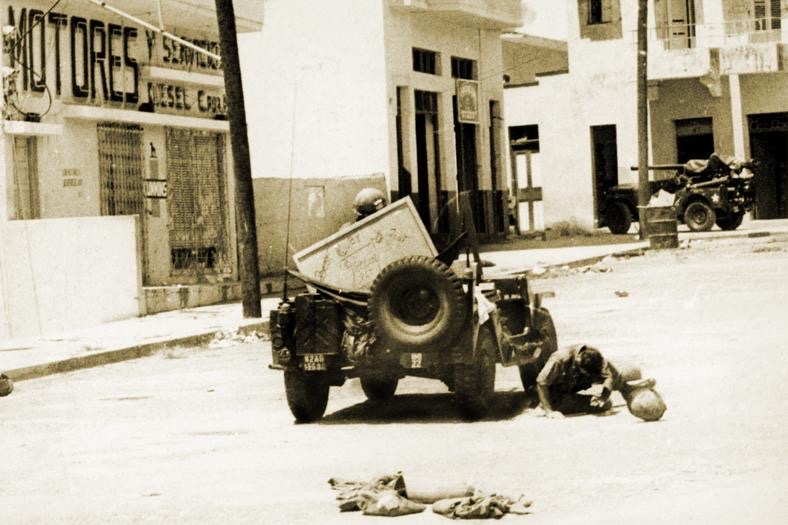
During the political turmoil in the Dominican Republic, the U.S. intervened to restore order. The unrest stemmed from the assassination of Rafael Trujillo in 1961, leading to a power vacuum and a struggle for control. Amidst fears of communism gaining ground, the U.S. decided to intervene, citing concerns for American lives and stability in the region.
The invasion involved around 42,000 U.S. troops entering the Dominican Republic to quell the uprising and establish a provisional government. Their presence aimed to stabilize the situation and prevent the spread of socialist ideologies. Despite initial resistance from local forces, the U.S. military managed to assert control and restore a semblance of order.
The intervention faced criticism from various quarters, with concerns over U.S. imperialism and infringement of the Dominican Republic's sovereignty. The invasion also sparked protests and opposition within the U.S., questioning the motives and legitimacy of the military action. However, the U.S. persisted in its mission to stabilize the region and safeguard its interests.
Ultimately, the intervention had a mix of outcomes. While it succeeded in restoring a degree of stability and preventing a potential communist takeover, it also left a legacy of resentment and distrust among many Dominicans. The events of the invasion continued to shape U.S.-Dominican relations in the years that followed, highlighting the complexities of interventionism in foreign affairs.
#DominicanRepublic #USIntervention #PoliticalUnrest #ColdWar #Sovereignty
Primary Reference
Remedying Past Unlawful Military Interventions: The Case of the ...
Explore the Life Moments of
 AI Twin