Treaty of Basel: France gains eastern Hispaniola
Dominican Republic

Political
Colonial
3 min read
Updated By: History Editorial Network (HEN)
Published:
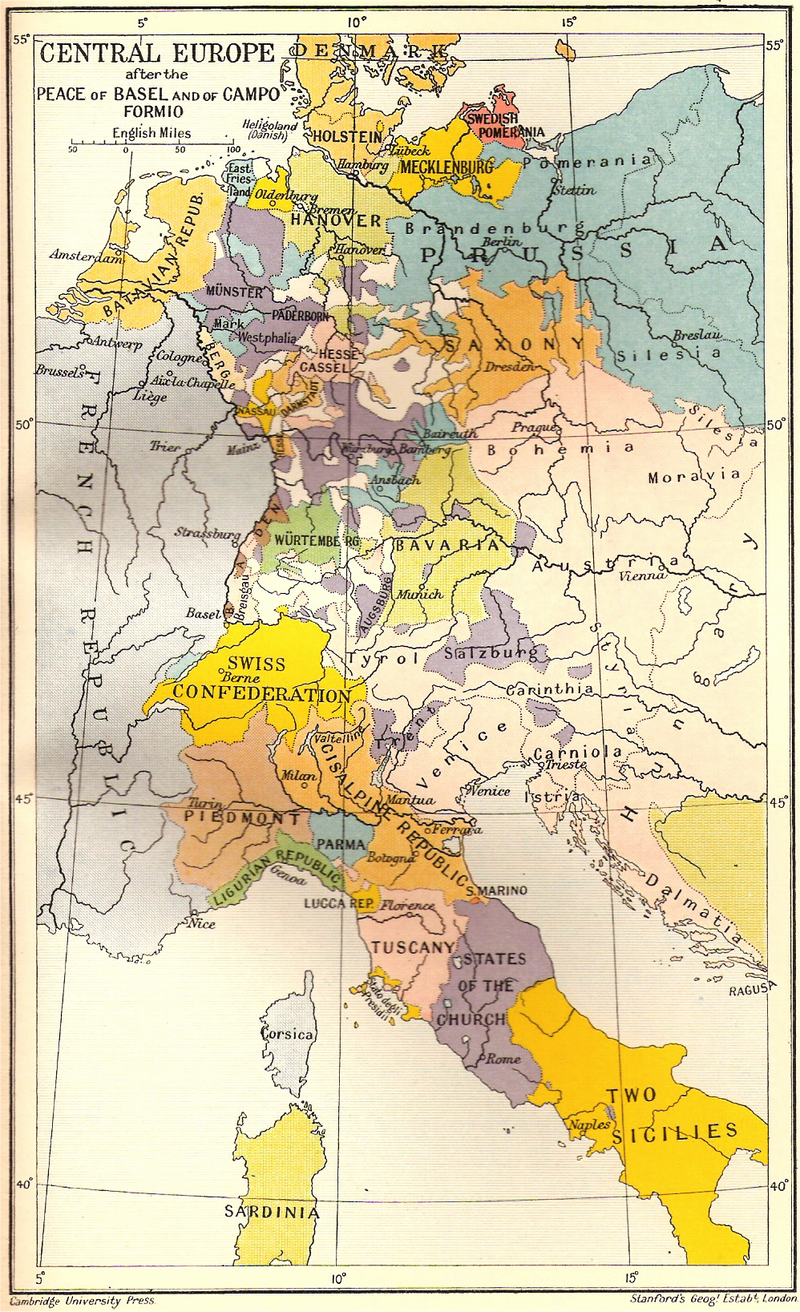
In 1795, France and Spain signed the Treaty of Basel, through which the eastern part of Hispaniola was ceded to France. This region would later become known as the Dominican Republic. The treaty was a result of various political dynamics that had been ongoing in the Caribbean at the time.
The signing of the treaty had a significant impact on the geopolitical landscape of the Caribbean, as it solidified French control over the eastern part of the island. This would later have lasting effects on the development and culture of the Dominican Republic. The cession of this territory also marked a shift in power dynamics in the region, as France expanded its influence over Hispaniola.
By ceding the eastern part of Hispaniola to France, Spain sought to focus on other priorities in the region. This decision had repercussions for both countries and the people living in the affected territories. The transfer of control over the eastern part of the island would lead to changes in governance, economy, and society in the Dominican Republic.
Overall, the Treaty of Basel signing was a crucial moment in the history of the Caribbean, with far-reaching consequences for the region. The effects of this event can still be seen in the cultural and political landscape of the Dominican Republic today.
#TreatyofBasel #France #Spain #Hispaniola #DominicanRepublic #Geopolitics #Caribbean #ColonialHistory
Primary Reference
Era de Francia - Wikipedia
Explore the Life Moments of
 AI Twin