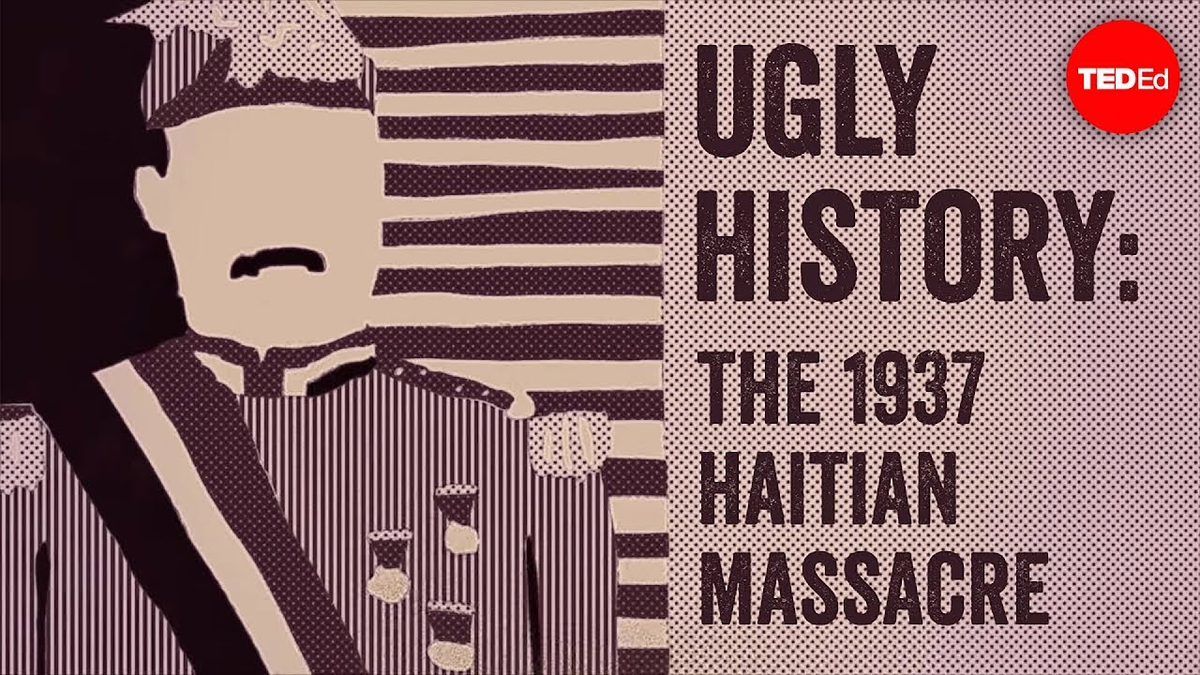
Massacre of Thousands in Haitian-Dominican Border Region
Dominican Republic
Political
Human Rights Abuses
4 min read
Updated By: History Editorial Network (HEN)
Published:
During the massacre, the Dominican Army targeted Haitians living in the border areas of the Dominican Republic, suspected of being in the country illegally or sympathizing with the Haitian government. The Army systematically rounded up and executed between 19,000-20,000 Haitians, as estimated by historians. The violence lasted for several days, with reports of mass killings, rapes, and widespread brutality.
This tragedy stemmed from longstanding tensions between the neighboring countries, fueled by issues of race, nationality, and border disputes. The Dominican government, under the dictatorship of Rafael Trujillo, instigated a campaign to purge the country of Haitian influence, even though many of the victims were actually Dominican-born or legal residents.
The impact of this event was profound, leaving a scar on the relationship between Haiti and the Dominican Republic that persists to this day. The massacre led to international condemnation and strained diplomatic relations. It also sparked conversations about racism and discrimination within the Dominican society, as many Haitians were targeted solely based on their ethnicity.
The repercussions of the massacre are still felt in the shared history of the two nations. It serves as a somber reminder of the consequences of prejudice, unchecked power, and the fragility of cross-border relations. The tragic loss of thousands of lives continues to shape discussions around human rights, immigration policies, and the duty of governments to protect vulnerable populations.
#HaitianMassacre #DominicanHistory #BorderConflict #HumanRightsAbuse #DiplomaticRelations
Primary Reference
Oct. 2, 1937: Parsley Massacre - Zinn Education Project
Explore the Life Moments of
 AI Twin