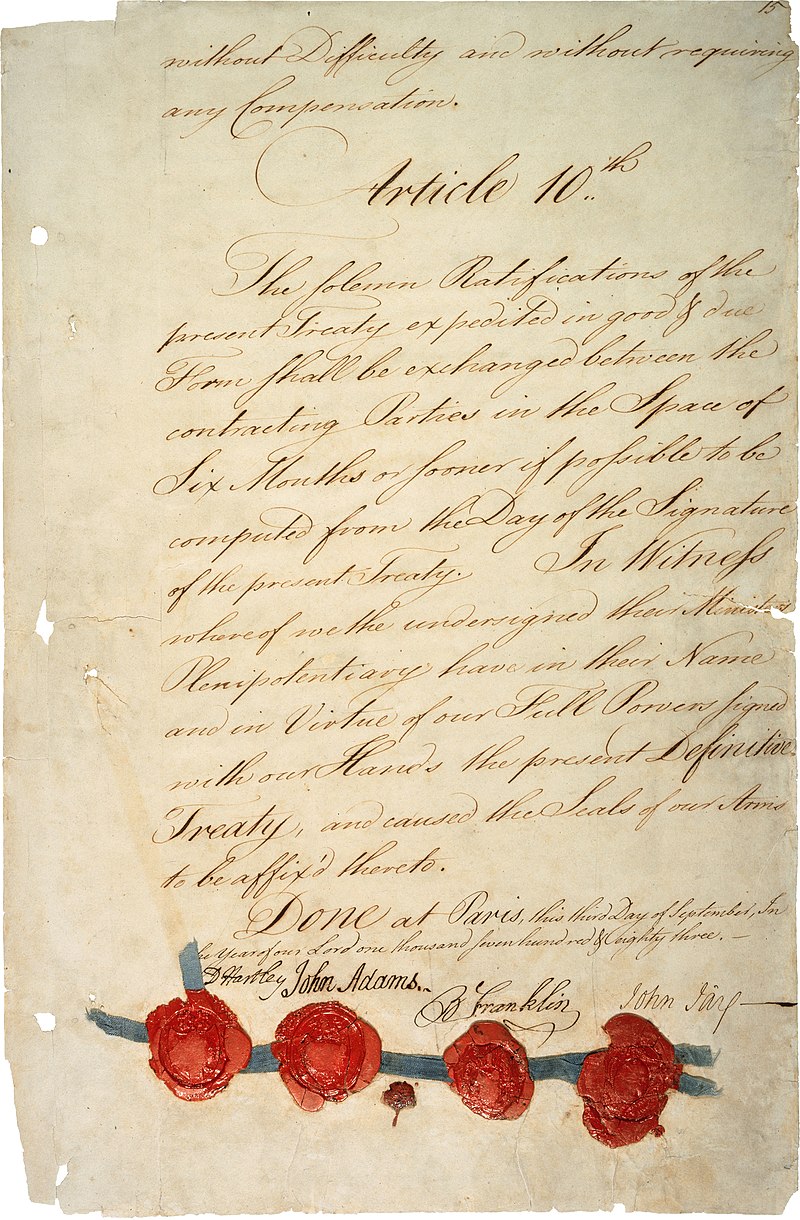
Transfer of Dominica to Britain Following the Treaty of Paris (1983)
Dominica
Political
4 min read
Updated By: History Editorial Network (HEN)
Published:
Updated:
The Control of Dominica returned to Britain following the Treaty of Paris. This event marked the conclusion of a military conflict between European powers disputing control over various territories in the Caribbean. Dominica, because of its strategic significance and valuable resources, had frequently changed hands between France and Britain. During this period, Dominica was predominantly under French control, having been captured from the British in an earlier conflict.
The Treaty of Paris was negotiated to restore peace and reallocate territorial claims. This resulted in Dominica reverting to British governance. The agreement sought to resolve multiple disputes and redistribute control of several colonies. With this transfer, Britain aimed to consolidate its influence in the Caribbean, leveraging Dominica’s agricultural potential, particularly in sugar production and other cash crops, which were central to the colonial economy.
The local population, composed mainly of African slaves working on plantations, faced continuity in their forced labor under new administration. British colonial policies enforced economic frameworks that benefited the empire, sustaining the cycle of exploitation and export of resources from Dominica. The British administration, seeking to stabilize and develop the island economically, implemented legal and infrastructural changes that reflected broader colonial interests.
Impacts of the transfer included shifts in local governance, continued economic reliance on slave labor for plantation agriculture, and strategic military advantages for Britain in the Caribbean. These developments were integral to Britain's colonial strategy and economic interests in the region.
#History #Colonialism #TreatyOfParis #Dominica #CaribbeanHistory #MoofLife
Primary Reference
Distrr RESTRICTED AHG/SEM/SSC/84/1 1 November 1984 ...
Explore the Life Moments of
 AI Twin