White Rainbow
5 min read
Updated By: History Editorial Network (HEN)
Published:
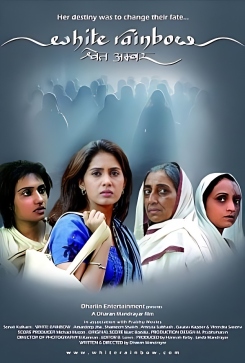
White Rainbow is a 2005 Indian drama film directed by Dharan Mandrayar, inspired by the real lives of widows living in the holy city of Vrindavan, India. Often referred to as “The City of Widows,” Vrindavan is home to thousands of women who, after losing their husbands, are abandoned by their families and forced to live in poverty and social exile. The film tells the story of four such widows from different backgrounds who come together in their shared suffering, resilience, and search for dignity in a society that sees them as burdens or curses.
The central character, Priya, played by Sonali Kulkarni, is a young modern widow who initially resists the oppressive expectations forced upon her. After arriving in Vrindavan, she meets other widows—each with their own painful past—and slowly finds purpose by helping them reclaim their sense of worth and agency. The film blends fiction with harsh social reality, exposing how ancient customs, patriarchy, and religious misinterpretation trap women in lifelong mourning and economic deprivation.
Visually, White Rainbow is grounded in realism. It uses on-location shooting in Vrindavan to capture the narrow alleys, ashrams, and temples where the widows live and chant. The color white—symbolizing widowhood in Indian culture—is used throughout the film’s costume and imagery, contrasting starkly with the rich vibrancy of India’s spiritual traditions. The tone is somber but hopeful, seeking to shine light on a hidden population often ignored by mainstream media and culture.
Although it did not receive wide theatrical release, the film screened at several international festivals and human rights forums. It was praised for bringing attention to a pressing social issue that affects thousands of women in India. While not a box office success, its impact was felt more in advocacy and education circles.
White Rainbow stands as a socially conscious narrative that seeks to humanize those who have been discarded by tradition. It’s a story of survival, solidarity, and quiet rebellion against centuries of sanctioned suffering.

Explore the Life Moments of
 AI Twin