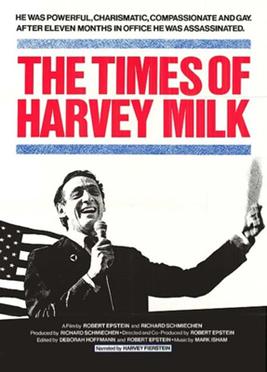
The Times of Harvey Milk
5 min read
Updated By: History Editorial Network (HEN)
Published:
The Times of Harvey Milk is a 1984 documentary directed by Rob Epstein that chronicles the life, political rise, and assassination of Harvey Milk, the first openly gay man elected to public office in California. The film begins with Milk’s grassroots campaign in San Francisco, his 1977 election to the city’s Board of Supervisors, and his trailblazing efforts to fight for LGBTQ+ rights, renters, workers, and marginalized communities. It culminates in his 1978 assassination—alongside Mayor George Moscone—by former supervisor Dan White, an event that shocked the city and the nation.
The documentary combines archival footage, news broadcasts, campaign materials, and personal photographs with interviews from colleagues, activists, and friends. Narrated by actor Harvey Fierstein, the film constructs a portrait of Milk not only as a political figure but also as a symbol of hope and courage during a time of fierce cultural resistance. The film also captures the explosive public response to the lenient verdict in White’s trial, known as the “Twinkie defense,” and the resulting White Night riots—one of the most significant gay rights protests in U.S. history.
Visually, the film is conventional in format but powerful in tone. It balances the warmth and charisma of Milk’s presence with the gravity of the political backlash he faced. The emotional pacing is deliberate—building Milk’s legacy before forcing viewers to confront the injustice and grief of his murder.
The Times of Harvey Milk premiered at the Telluride Film Festival and went on to win the Academy Award for Best Documentary Feature in 1985. It also won awards at Sundance, the New York Film Critics Circle, and the IDA Documentary Awards. The film had a strong impact on public awareness of LGBTQ+ history and became an educational staple in schools and activist circles.
Its legacy is enduring. The film helped secure Harvey Milk’s place in American history and inspired a resurgence in political activism among LGBTQ+ communities. Decades later, it remains a definitive work—both a moving biography and a powerful political statement about visibility, justice, and the cost of being first.

Explore the Life Moments of
 AI Twin