The Thin Blue Line
Documentary Film
Media Studies
Experimental Cinema
3 min read
Updated By: History Editorial Network (HEN)
Published:
Updated:
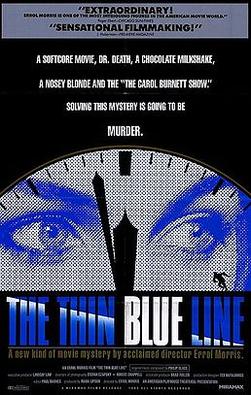
The release of The Thin Blue Line, directed by Errol Morris, marked a pivotal moment in the evolution of documentary filmmaking. This film is notable for its innovative approach, blending elements of traditional documentary with stylized recreations. Unlike conventional documentaries that strive to eliminate any signs of fictionalization, The Thin Blue Line embraced these techniques, which ultimately led to its disqualification for an Academy Award. This decision highlighted the tension between traditional documentary practices and emerging hybrid forms that incorporate dramatization. The film's narrative centers around the wrongful conviction of Randall Adams for the murder of a police officer, using interviews, archival footage, and reenactments to challenge the established norms of documentary storytelling.
The impact of The Thin Blue Line extends beyond its narrative; it has influenced how audiences perceive documentaries. As public trust in traditional media has waned, viewers have become more open to experimental storytelling methods that convey factual information. The film's success demonstrated that audiences could engage with complex narratives that blend fact and fiction, prompting a reevaluation of the boundaries within the documentary genre. This shift has paved the way for future filmmakers to explore hybrid forms, ultimately enriching the landscape of documentary cinema and encouraging a more critical engagement with the medium.
#mooflife
#MomentOfLife
#TheThinBlueLine
#ErrolMorris
#DocumentaryFilmmaking
#HybridDocumentary
#MediaTrust

Explore the Life Moments of
 AI Twin