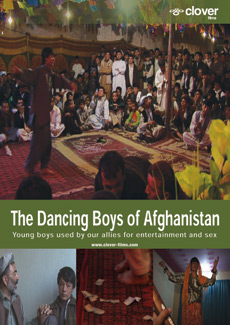
The Dancing Boys of Afghanistan
5 min read
Updated By: History Editorial Network (HEN)
Published:
The Dancing Boys of Afghanistan is a 2010 documentary directed by Najibullah Quraishi and produced by Jamie Doran. It investigates the disturbing practice of bacha bazi—translated as “boy play”—a tradition in parts of Afghanistan where young boys, often from poor families, are dressed as women, made to dance for older men, and in many cases sexually exploited. The film exposes the hidden system of abuse, coercion, and corruption that allows this practice to persist, despite its illegality under Afghan law.
The documentary follows Quraishi as he gains rare access to former warlords, wealthy patrons, and the boys themselves. Through candid interviews and undercover footage, the film reveals a dark network where boys are bought, trained, and passed around among powerful men. Some of the boys express fear and despair, while others show signs of psychological conditioning, having been trapped in the system for years. The complicity of police and government officials is laid bare, highlighting a culture of impunity.
Stylistically, the film avoids sensationalism. It’s filmed with a journalistic eye—simple handheld shots, dimly lit interiors, and minimal music—letting the horror of the testimonies speak for themselves. Quraishi’s presence in the film adds weight, as he risks retaliation for exposing powerful figures. His interviews are cautious but direct, and the camera often lingers in uncomfortable silence, capturing the emotional toll on both the victims and the filmmaker.
The Dancing Boys of Afghanistan premiered on Channel 4 in the UK and later aired on PBS Frontline in the U.S. It received critical acclaim for its courage and clarity, winning awards such as the Amnesty International Media Award. While not a theatrical release, it reached wide audiences through broadcast and streaming, becoming one of the most discussed human rights documentaries of its year.
Its legacy is brutal and necessary. The film forced international organizations and Afghan officials to publicly address a practice long ignored or denied. The Dancing Boys of Afghanistan stands as a searing record of exploitation, shining a light on a hidden crime sustained by power, silence, and systemic failure.

Explore the Life Moments of
 AI Twin