Streetwise
5 min read
Updated By: History Editorial Network (HEN)
Published:
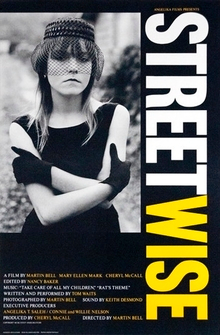
Streetwise is a 1984 American documentary directed by Martin Bell, based on a photojournalistic project by Mary Ellen Mark and Cheryl McCall for Life magazine. The film follows a group of homeless and runaway teenagers living on the streets of Seattle, offering an unfiltered, often brutal look at their daily lives as they hustle, beg, and survive in an environment shaped by poverty, addiction, violence, and neglect. Central to the film is 14-year-old Erin “Tiny” Blackwell, a sex worker whose story becomes emblematic of lost youth and broken systems.
The documentary presents its subjects without narration or commentary, using observational footage and direct interviews to capture their thoughts, routines, and emotional states. Its cinéma vérité style avoids dramatization or sentimentality. The camera lingers on the kids as they talk about abuse, mental illness, their dreams, and their sense of abandonment. Each teen is shown as a distinct person, and the film never flattens them into caricatures or symbols.
Visually, the film uses stark, grainy 16mm footage that complements its raw content. The urban decay of 1980s Seattle becomes a backdrop for the bleakness of the stories, with night scenes lit by streetlamps and neon signs, adding to the haunting atmosphere. The soundtrack is sparse, often letting silence do the emotional work.
Streetwise premiered at the 1984 New York Film Festival and received critical acclaim, earning an Academy Award nomination for Best Documentary Feature in 1985. Though it had a limited theatrical release, its impact was lasting, particularly in the realm of social documentaries. It sparked discussions on youth homelessness and exploitation in the U.S., and its subject Tiny became the focus of follow-up projects by Mark and Bell, including the 2016 documentary Tiny: The Life of Erin Blackwell.
The film is now considered a landmark of American documentary filmmaking. It remains relevant decades later as both a time capsule and a powerful indictment of systemic failure, made without sensationalism or false hope.

Explore the Life Moments of
 AI Twin