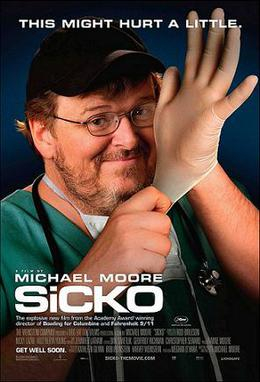
Sicko
5 min read
Updated By: History Editorial Network (HEN)
Published:
Sicko is a 2007 documentary directed by Michael Moore that delivers a scathing critique of the American healthcare system. Unlike his earlier work Bowling for Columbine or Fahrenheit 9/11, which focused on violence and politics, Sicko turns its attention to the health insurance industry, exposing how private profit motives often come at the expense of patients’ well-being. The film contrasts the struggles of American citizens—including the insured—with the universal healthcare systems in countries like Canada, the UK, France, and Cuba.
The documentary features stories of people denied critical treatments by insurers due to technicalities, pre-existing conditions, or fine print. Moore interviews whistleblowers from inside the insurance industry, including former healthcare executives who admit the system is designed to save money by denying care. The tone is both angry and sardonic, mixing personal testimonies with archival footage, animated explanations, and Moore’s signature confrontational humor.
In one of the film’s most talked-about sequences, Moore takes a group of 9/11 rescue workers—struggling to get proper treatment in the U.S.—to Cuba, where they receive full medical care for free. This stunt, while provocative, underscores Moore’s larger argument: other developed nations treat healthcare as a right, not a business, and produce better outcomes at lower costs.
Sicko premiered at the Cannes Film Festival to a standing ovation and was released in U.S. theaters in June 2007. It grossed over $25 million domestically and $36 million worldwide, making it one of the most financially successful documentaries of all time. It was nominated for Best Documentary Feature at the 80th Academy Awards and won several critics' and festival awards.
The film sparked heated debate across political lines. Supporters praised it for exposing systemic failures and helping push healthcare reform onto the national agenda, while critics accused Moore of cherry-picking data and romanticizing foreign systems. Regardless, Sicko left a significant mark on public discourse.
Its legacy is tied to its timing—it arrived during the run-up to the Affordable Care Act debates and helped shift public perception of universal healthcare from radical to mainstream. Sicko remains one of Michael Moore’s most focused and emotionally effective films, using outrage to fuel a call for basic human dignity in medicine.

Explore the Life Moments of
 AI Twin