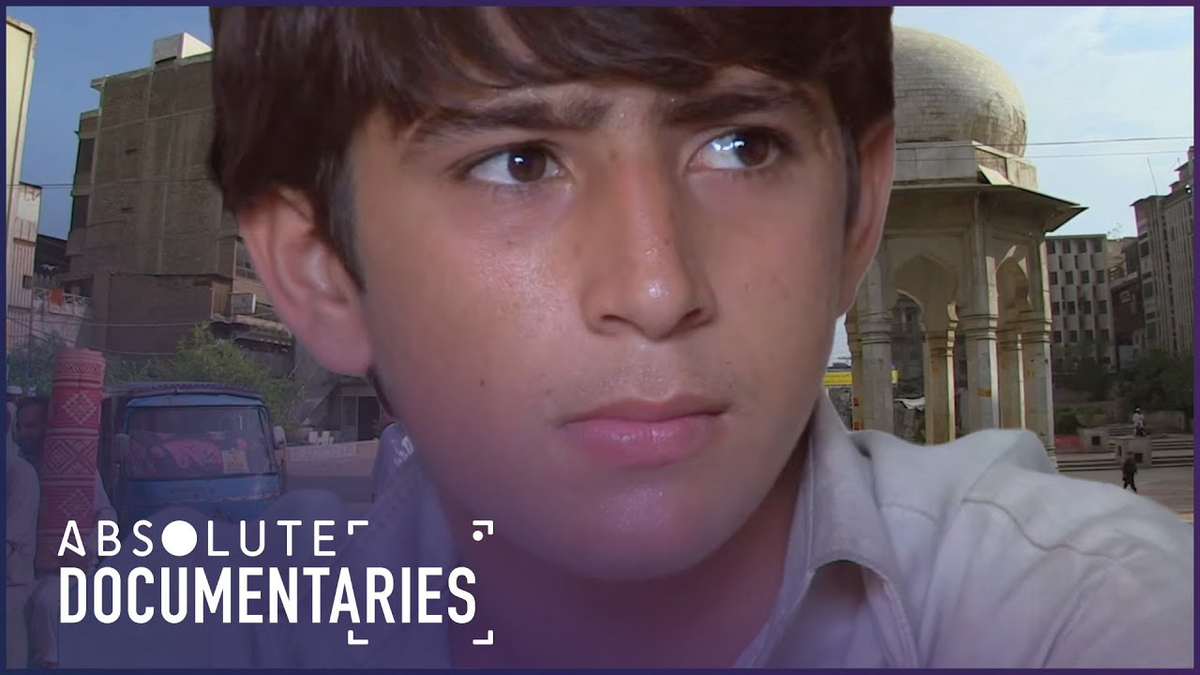
Pakistan's Hidden Shame
5 min read
Updated By: History Editorial Network (HEN)
Published:
Pakistan’s Hidden Shame is a 2014 documentary directed by Mohammed Naqvi that exposes the widespread sexual abuse of young boys in the streets of Peshawar, Pakistan. The film focuses on child sexual exploitation—particularly among runaway and homeless boys—who are routinely abused by men in positions of power or protection. It highlights a brutal reality in which victims are ignored, predators go unpunished, and the subject remains taboo across society, media, and even within families.
The documentary centers on a few boys living in bus stations and marketplaces, surviving through begging, sex work, or odd jobs. They speak with heartbreaking frankness about the abuse they endure, often committed by shopkeepers, bus drivers, and others who exploit their vulnerability. The film also features interviews with adult perpetrators, who justify or deny their actions, and with social workers trying to intervene despite immense cultural resistance and threats.
Visually, the film is raw and unflinching. Shot with handheld cameras in cramped spaces and poorly lit streets, it captures the desperation and danger these children face daily. There is no score or dramatic framing—just the blunt, immediate reality of life on the margins. The contrast between the innocence of the boys and the casual cruelty of their abusers is devastating.
Premiered on Channel 4 in the UK, Pakistan’s Hidden Shame received international attention for its bravery and impact. It was praised for breaking the silence around a pervasive issue that had long been buried under cultural denial and fear. It did not aim for theatrical release but reached wide audiences through broadcast, educational platforms, and human rights forums.
The film's legacy is one of exposure and confrontation. It forced uncomfortable conversations in Pakistan and beyond, putting pressure on authorities to acknowledge and address a system of abuse that thrives in the absence of justice and public accountability. Pakistan’s Hidden Shame stands as a chilling, necessary work—one that gives voice to the most silenced and vulnerable.

Explore the Life Moments of
 AI Twin