No End in Sight
5 min read
Updated By: History Editorial Network (HEN)
Published:
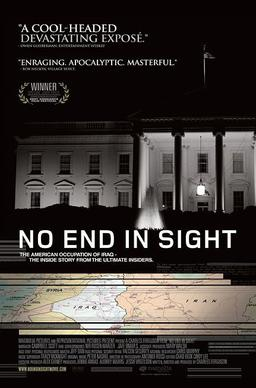
No End in Sight is a 2007 documentary directed by Charles Ferguson that offers a meticulous, damning account of the U.S. government's handling of the Iraq War, particularly the planning and execution of the occupation following the 2003 invasion. Unlike many politically charged documentaries of its time, No End in Sight takes a calm, analytical approach—built not on partisan commentary but on detailed interviews with military officers, diplomats, journalists, and insiders from within the Bush administration.
The film focuses on the critical first year of the occupation, examining decisions made by officials like Paul Bremer and Donald Rumsfeld that, according to the documentary, directly contributed to the collapse of Iraq’s infrastructure, the rise of insurgency, and the descent into chaos. Key missteps such as disbanding the Iraqi army and purging Ba'ath Party members from government are dissected as avoidable, ideologically driven blunders with catastrophic consequences. Former administration officials speak candidly, many expressing shock, frustration, and regret.
Visually, the film is straightforward—interviews, archival footage, press briefings, and maps are cleanly edited into a tight narrative. There are no stunts, dramatizations, or narration from the director. The restrained style gives weight to the content, allowing the facts and firsthand testimony to speak for themselves. The pacing is deliberate and clear, guiding viewers through the complex chronology and bureaucracy of the war's early stages.
No End in Sight premiered at the Sundance Film Festival, where it won the Special Jury Prize for Documentary. It went on to receive critical acclaim and was nominated for Best Documentary Feature at the 80th Academy Awards. While its box office performance was modest, it gained widespread visibility through educational circuits, digital platforms, and political discourse.
The film's legacy lies in its sober, devastating portrayal of failure at the highest levels of government. No End in Sight is not just about the Iraq War—it’s about what happens when ideology overrides expertise, and how institutions collapse under the weight of denial, arrogance, and mismanagement. It remains one of the most essential films on the post-9/11 era of American foreign policy.

Explore the Life Moments of
 AI Twin