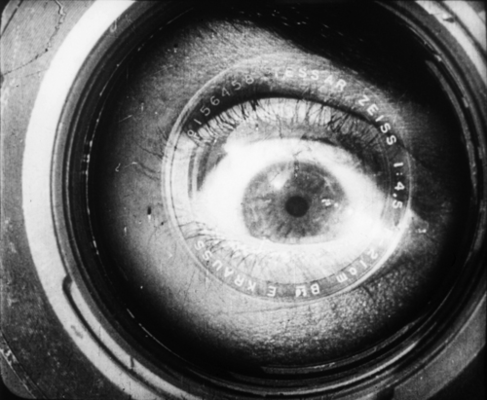
Man with a Movie Camera
Film Studies
Soviet Cinema
Documentary Filmmaking
4 min read
Updated By: History Editorial Network (HEN)
Published:
Updated:
Dziga Vertov directed 'Man with a Movie Camera,' a pioneering film that exemplifies the principles of Soviet montage theory. The film is structured as a city symphony, capturing the daily life and rhythm of a Soviet city through innovative cinematography and editing techniques. Vertov aimed to present a new form of documentary filmmaking that emphasized the potential of the camera to reveal truths about society. The film features a variety of scenes, including bustling streets, factories, and public spaces, showcasing the vibrancy and complexity of urban life. Vertov's approach involved using multiple cameras, rapid editing, and creative visual effects to create a dynamic representation of the city and its inhabitants.
The impact of 'Man with a Movie Camera' on the film industry has been profound. It challenged traditional narrative structures and introduced new ways of storytelling through visual means. The film's experimental techniques influenced future filmmakers and contributed to the development of documentary cinema. It has been recognized for its artistic merit and remains a subject of study in film schools around the world. The film's innovative use of montage and its exploration of the relationship between the camera and reality have made it a landmark in cinematic history, often cited as one of the greatest films ever made. Its legacy continues to inspire filmmakers to explore the boundaries of visual storytelling and the role of the camera in capturing the essence of life.
#mooflife
#MomentOfLife
#DzigaVertov
#ManWithAMovieCamera
#SovietMontage
#DocumentaryFilm
#CinematicHistory

Explore the Life Moments of
 AI Twin