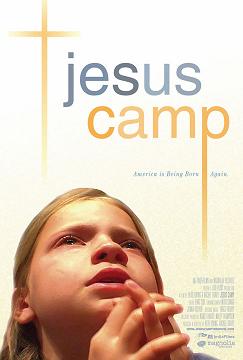
Jesus Camp
5 min read
Updated By: History Editorial Network (HEN)
Published:
Jesus Camp is a 2006 documentary directed by Heidi Ewing and Rachel Grady that explores the world of evangelical Christian fundamentalism in the United States, focusing on how children are indoctrinated into a militant brand of faith. The film centers on the "Kids on Fire" summer camp in Devil’s Lake, North Dakota, run by Pentecostal children's pastor Becky Fischer, where young attendees are taught to become "soldiers for Christ" in what is framed as a spiritual and political war.
The documentary follows several children, notably Levi, Rachael, and Tory, as they pray in tongues, weep over abortion, participate in theatrical sermons, and pledge their lives to Christ. The camp blends worship with intense emotional manipulation, including anti-science rhetoric, glorification of martyrdom, and encouragement to reject secular influences. The film also connects this movement to broader political ambitions, showing how religious leaders actively mobilize children as culture warriors against abortion, evolution, and liberalism.
Visually, Jesus Camp is stark and observational, with no narrator or overt commentary. The camera remains a passive witness, capturing prolonged scenes of worship, instruction, and home life. This approach heightens the discomfort, as the viewer is left to process the children’s intensity and the adult guidance shaping their worldview. The inclusion of radio host Mike Papantonio, a moderate Christian critic of the movement, adds a contrasting voice, but the filmmakers let the footage speak for itself.
Premiering at the 2006 Tribeca Film Festival, the film received widespread critical acclaim and earned an Academy Award nomination for Best Documentary Feature. It grossed over $1 million at the box office—a strong showing for an independent documentary—and sparked widespread debate and media coverage about the intersection of religion, politics, and childhood.
Jesus Camp remains a deeply polarizing and frequently referenced film. Supporters saw it as a troubling warning about the politicization of religion, while some evangelicals viewed it as a misrepresentation. In response to the backlash and threats following the film’s release, the Kids on Fire camp was eventually shut down. The film’s legacy is that of a cultural flashpoint—an unflinching portrait of faith, fear, and the forging of a generation on the front lines of America’s religious culture wars.

Explore the Life Moments of
 AI Twin