India's Daughter
5 min read
Updated By: History Editorial Network (HEN)
Published:
India’s Daughter is a 2015 documentary directed by Leslee Udwin that examines the 2012 Delhi gang rape and murder of 23-year-old medical student Jyoti Singh, an attack that shocked India and sparked nationwide protests demanding justice and gender equality. The film traces the events of that night while situating the crime within a larger context of entrenched misogyny and systemic failure. Through interviews with Jyoti’s parents, friends, lawyers, activists, and even one of the convicted rapists, the documentary confronts the social attitudes that normalize violence against women.
The centerpiece of the film is the interview with Mukesh Singh, one of the men convicted in the crime, who makes chilling, remorseless statements blaming the victim. These moments are juxtaposed with footage from the mass protests, court proceedings, and interviews with defense attorneys who themselves make deeply disturbing comments about women and gender roles. The film does not sensationalize the crime—it dissects it, slowly and methodically, exposing how deeply embedded patriarchy is in every level of society.
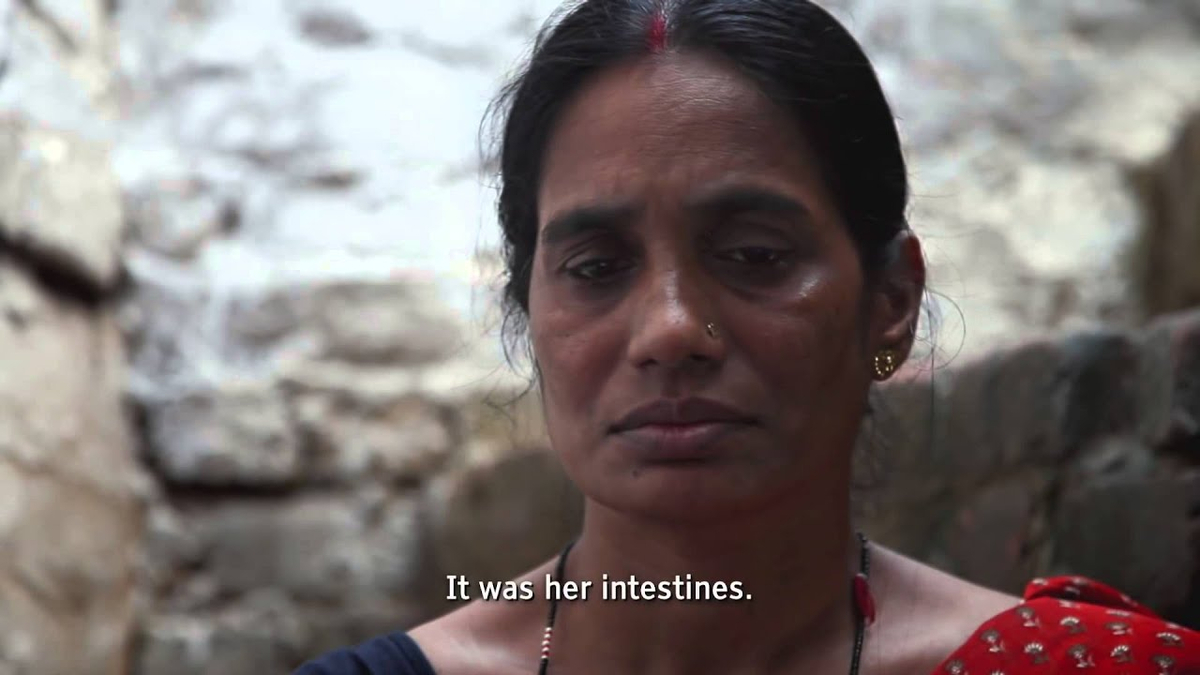
Visually, the film is restrained but piercing. It uses direct-to-camera interviews, archival footage from the protests, and minimal background music, letting silence and facial expressions do much of the emotional work. The pacing is tight and unflinching, giving each voice space while never straying from its central purpose: holding up a mirror to a society in denial.
Premiered globally but banned in India just before its scheduled broadcast, the film became a lightning rod for debate. Critics and human rights advocates praised its courage and clarity, while government officials denounced it as damaging to the country’s image. It won multiple international awards and was widely screened in academic and activist circles.
India’s Daughter remains one of the most powerful documentaries ever made about gender violence—not because it shocks, but because it listens. It demands attention, not sympathy. It doesn’t offer closure. It offers confrontation.

Explore the Life Moments of
 AI Twin