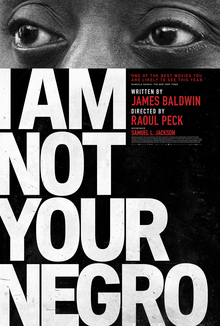
I Am Not Your Negro
4 min read
Updated By: History Editorial Network (HEN)
Published:
The film is structured as a poetic essay, using Baldwin’s uncompromising voice to critique America’s history of systemic racism and the illusions of white innocence. It avoids traditional documentary devices like talking heads or expert interviews. Instead, it immerses the viewer in Baldwin’s language—measured, forceful, and timeless—while juxtaposing scenes from the civil rights era with visuals of modern racial unrest, including police brutality, Ferguson protests, and Black Lives Matter demonstrations.
Visually, the film blends archival footage with stylized inserts and cinematic editing, creating a rhythm that echoes Baldwin’s voice—both reflective and confrontational. The narration is deliberately slow and solemn, allowing the weight of Baldwin’s prose to sink in. Every frame serves to amplify the core message: America’s failure to confront its racial reality is not an accident—it is foundational.
Premiering at the Toronto International Film Festival in 2016, I Am Not Your Negro won the People’s Choice Award for Best Documentary and was nominated for Best Documentary Feature at the 89th Academy Awards. It also won a BAFTA and the César Award for Best Documentary Film. At the box office, it became one of the highest-grossing documentaries of the year, earning over $7 million globally—a strong showing for a politically charged, literature-based film.
The documentary was widely acclaimed by critics and scholars alike for its bold presentation, emotional force, and cultural relevance. It reintroduced Baldwin’s voice to a new generation and sparked renewed interest in his writing. I Am Not Your Negro endures as a powerful interrogation of American identity, white supremacy, and the enduring struggle for Black liberation.

Explore the Life Moments of
 AI Twin