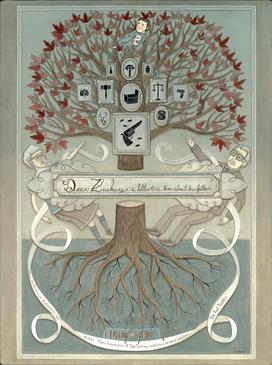
Dear Zachary: A Letter to a Son About His Father
5 min read
Updated By: History Editorial Network (HEN)
Published:
Dear Zachary: A Letter to a Son About His Father is a 2008 documentary directed by Kurt Kuenne, created as a personal tribute and emotional record for the son of his murdered best friend, Andrew Bagby. Initially intended as a private home video for Zachary to one day understand who his father was, the film evolved into a devastating public chronicle of loss, injustice, and grief. The story follows the 2001 murder of Andrew by his ex-girlfriend Shirley Turner, her arrest, and the legal nightmare that unfolded while she was pregnant with Zachary.
The film blends interviews with Andrew’s friends, family, and colleagues with archival footage and Kuenne’s own narration, building a portrait of a man universally loved for his warmth, humor, and dedication. As events progress, the documentary shifts tone, documenting the prolonged legal battle by Andrew’s parents to gain custody of Zachary while Turner remained free on bail in Canada. The narrative takes a horrifying turn with the eventual murder-suicide in 2003, when Turner killed herself and 13-month-old Zachary, shattering the lives of those who had fought to protect him.
Stylistically, the film is raw and urgent, with fast-paced editing, handheld camera work, and emotionally charged narration. It rejects detachment, fully embracing the rage and despair of those involved. Kuenne intentionally constructs the film as a rollercoaster of emotional buildup and devastation, mirroring the real-time trauma experienced by Andrew’s loved ones.
The documentary premiered at Slamdance and was later broadcast on MSNBC, receiving widespread critical acclaim. It won several audience awards at festivals, including Hot Docs and Cinequest. Though modest in budget and distribution, it resonated deeply with viewers and led to significant public outrage and legal scrutiny. The film played a role in the eventual passing of Bill C-464 in Canada, also known as “Zachary’s Bill,” which tightened bail laws in cases involving child safety.
Dear Zachary remains one of the most emotionally affecting documentaries ever made. It’s not just a memorial—it’s a cry for justice, and a record of a system’s failure written in personal pain.

Explore the Life Moments of
 AI Twin