Citizenfour
5 min read
Updated By: History Editorial Network (HEN)
Published:
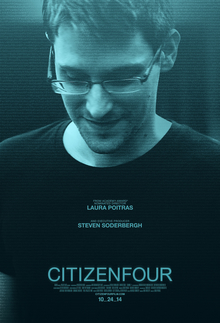
Citizenfour is a 2014 documentary directed by Laura Poitras that chronicles the real-time story of Edward Snowden, the former NSA contractor who leaked classified documents exposing global surveillance programs run by the U.S. government and its allies. The film begins when Poitras receives encrypted emails from someone identifying himself as “Citizenfour,” who promises explosive revelations about illegal mass spying. What follows is a tense, cinematic unfolding of one of the most significant whistleblower cases in modern history.
The heart of the documentary is the week Poitras and journalist Glenn Greenwald spend with Snowden in a Hong Kong hotel room in June 2013. There, Snowden explains the scope of surveillance, including the PRISM program and other data collection operations affecting millions of unsuspecting citizens worldwide. The camera captures not only the content of the leaks but the paranoia, fear, and isolation of those involved, as Snowden prepares for the inevitable fallout.
Stylistically, the film is minimal and atmospheric, relying on handheld digital footage, subdued lighting, and long takes to emphasize the claustrophobia and urgency of the situation. There's no voiceover or artificial drama—just the raw, evolving tension of real people making decisions with global consequences. Interspersed throughout are clips of news coverage, court hearings, and reactions from intelligence officials and journalists, placing the revelations in their broader political and historical context.
Citizenfour premiered at the New York Film Festival and was released to critical acclaim. It won the Academy Award for Best Documentary Feature in 2015, along with the BAFTA, Directors Guild Award, and several other international honors. The film was a commercial success by documentary standards, grossing over $3 million worldwide and becoming a cultural flashpoint in discussions of privacy, surveillance, and government accountability.
Its legacy is profound. Citizenfour didn’t just document a whistleblower—it became part of the whistleblowing event itself. It’s an urgent, intimate, and chilling record of how the surveillance state was exposed—and how far it might go to silence those who speak against it.

Explore the Life Moments of
 AI Twin