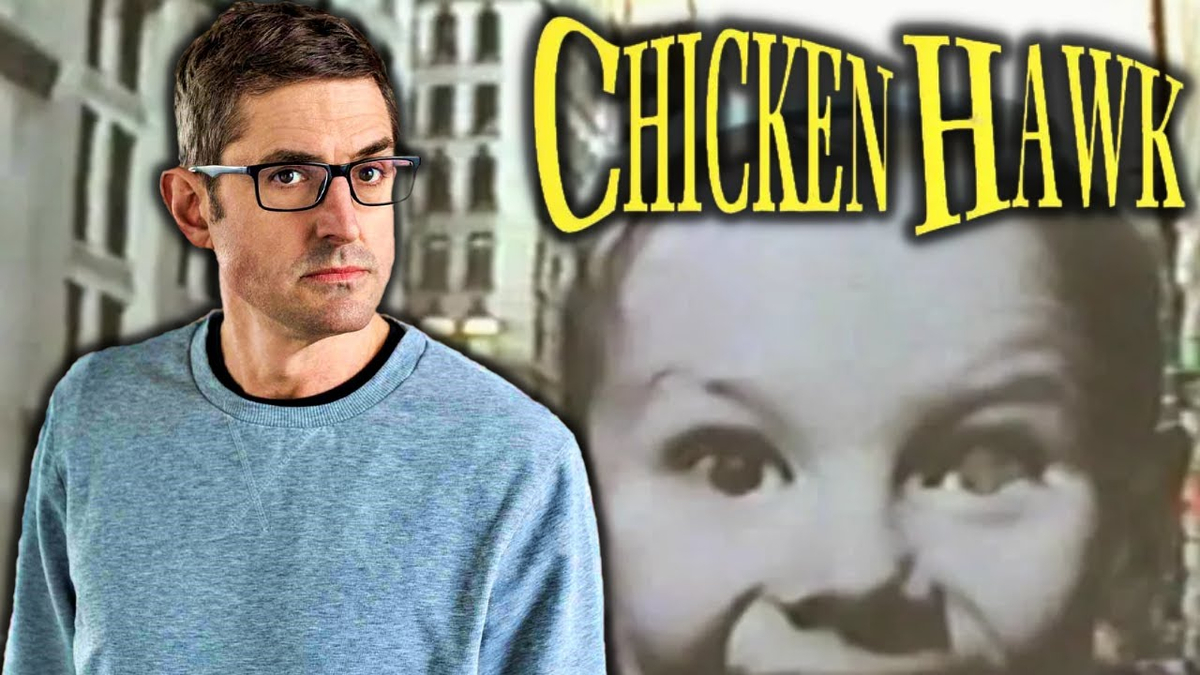
Chicken Hawk: Men Who Love Boys
5 min read
Updated By: History Editorial Network (HEN)
Published:
Chicken Hawk: Men Who Love Boys is a 1994 American documentary directed by Adi Sideman that examines the North American Man/Boy Love Association (NAMBLA), a highly controversial and widely condemned group that advocates for the legalization of sexual relationships between adult men and underage boys. The film gives direct, unfiltered access to several members of the organization, allowing them to openly explain and defend their beliefs—many of which are deeply disturbing and morally repugnant to the general public.
Structured through interviews, archival footage, and NAMBLA’s own meeting recordings, the documentary does not use narration or editorial commentary. Instead, it lets the subjects speak for themselves, exposing the logic and rhetoric they use to rationalize their actions. This approach—while journalistically hands-off—is unsettling, as it provides a platform for individuals to discuss criminal behaviors and advocate for the normalization of pedophilia.
The film was intended as an exposé, not an endorsement, and its raw, uncomfortable tone generated immediate backlash and heated debate. Critics were sharply divided: some praised it for confronting an underground subculture with brutal honesty, while others condemned it for giving pedophiles a voice, regardless of intent. It was screened at festivals and aired on select cable networks but was met with outrage and protests wherever it appeared. Distribution was limited due to its subject matter, and many platforms refused to carry it.
Visually, the film is simple—mostly talking-head interviews and low-budget footage—but the material is so volatile that it overshadows any aesthetic concerns. It doesn’t shy away from the repulsive or the legally and ethically indefensible, making it one of the most disturbing documentaries ever released.
Chicken Hawk: Men Who Love Boys remains one of the most controversial documentaries in existence. Its legacy is defined not by cinematic impact but by its role in sparking fierce ethical debate about free speech, criminal advocacy, and the limits of documentary neutrality. It is not educational, redemptive, or reformative—it is a chilling window into a subculture most would prefer not to believe exists.

Explore the Life Moments of
 AI Twin