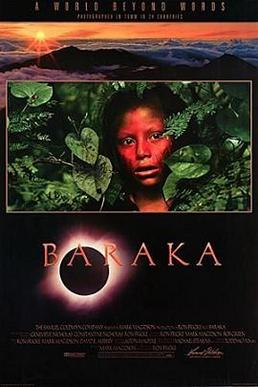
Baraka
5 min read
Updated By: History Editorial Network (HEN)
Published:
Baraka is a 1992 non-narrative documentary film directed by Ron Fricke, known for its sweeping cinematography and spiritual tone. Shot in 24 countries across six continents, the film presents a meditative visual journey through natural wonders, sacred sites, urban chaos, rituals, and the raw elements of human existence. There is no dialogue, narration, or characters—just meticulously composed imagery paired with an atmospheric score by Michael Stearns, with contributions from Dead Can Dance and other world music artists.
Fricke, who previously worked as cinematographer on Koyaanisqatsi, used a custom-built 65mm camera system to capture pristine, high-resolution images. The film flows thematically rather than chronologically, juxtaposing serene nature scenes—volcanoes, waterfalls, deserts—with frenetic cityscapes, industrial labor, and religious ceremonies. Sequences of Tibetan monks, tribal dances, Auschwitz ruins, bustling Tokyo intersections, and garbage pickers in Brazil are stitched together to provoke reflection on humanity's place within the natural world and the cost of modern civilization.
At the box office, Baraka had a modest theatrical release but found enduring success in the home video and art-house circuits, particularly following its remastered Blu-ray release in 2008, which was praised as one of the highest quality home media transfers ever made. It was never intended for mainstream commercial success, but rather as a cinematic experience to be absorbed through sight and sound.
Critics and audiences praised the film for its visual ambition and philosophical undertones. While some dismissed it as abstract or overly vague, others hailed it as a transcendent film experience. It did not receive major awards but earned lasting recognition for its technical innovation and aesthetic mastery.
Baraka has since become a staple in film schools, meditation circles, and among enthusiasts of global cinema. It set a new standard for non-verbal documentaries and was followed by Fricke’s 2011 spiritual successor, Samsara, expanding on the same format with digital advancements. As a work of pure visual poetry, Baraka endures as a landmark in immersive, contemplative filmmaking.

Explore the Life Moments of
 AI Twin