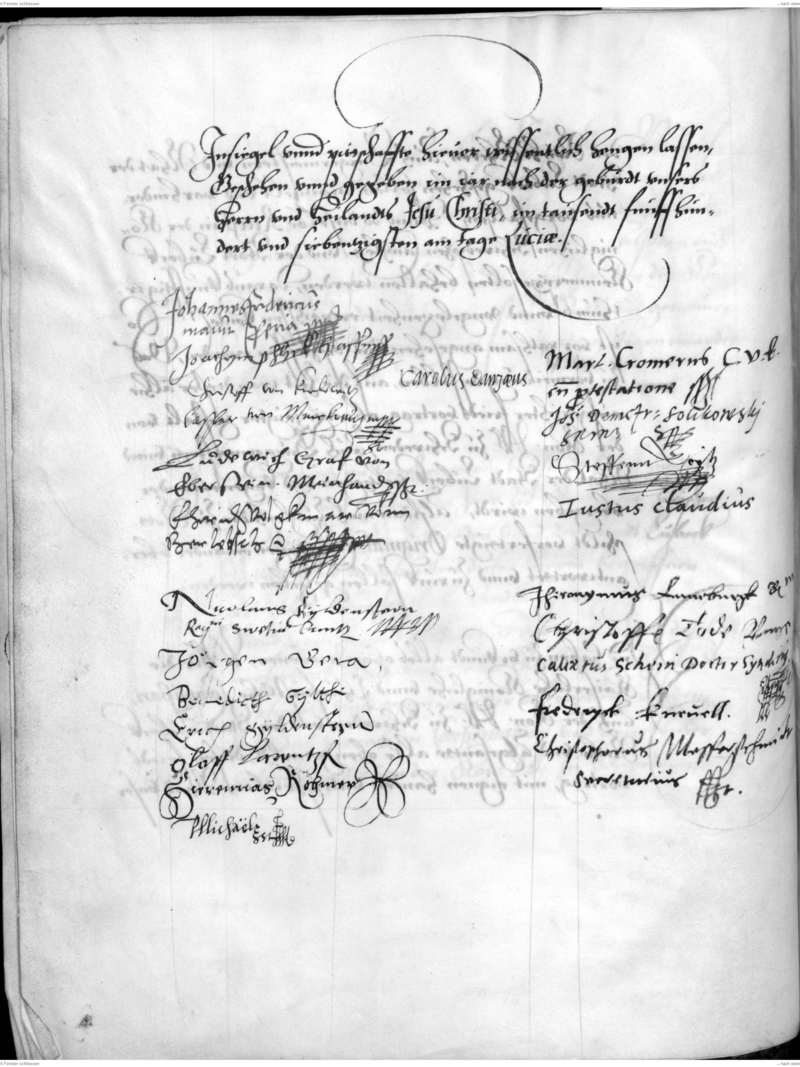
Peace Treaty: Sweden and Denmark sign Stettin agreement.
Denmark
Political
Diplomacy
4 min read
Updated By: History Editorial Network (HEN)
Published:
In the era of intense power struggles in Europe, the Peace of Stettin marked a crucial diplomatic resolution between Sweden and Denmark. The conflict stemmed from territorial disputes, particularly over control of the strategic region of Scania. Sweden, led by King Eric XIV, and Denmark, under the rule of King Frederick II, found themselves entrenched in a deadlock.
Recognizing the escalating tensions and the need to avoid prolonged warfare, both parties agreed to convene in Stettin for negotiations. The treaty that emerged from these talks solidified the borders between Sweden and Denmark, establishing a clear demarcation of territories to minimize future disputes. In addition to territorial delineations, the Peace of Stettin also addressed issues of trade and maritime rights, further cementing peaceful relations between the two nations.
The impact of the Peace of Stettin was significant, as it not only brought an end to hostilities but also set a precedent for diplomatic resolutions in the region. By opting for negotiation and compromise over prolonged conflict, Sweden and Denmark demonstrated a commitment to stability and cooperation.
This landmark event in European history exemplifies the importance of diplomacy in resolving conflicts and maintaining peace between nations. The Peace of Stettin stands as a testament to the effectiveness of dialogue and negotiation in mitigating tensions and fostering prosperous relations.
#PeaceofStettin #Sweden #Denmark #Diplomacy #ConflictResolution #EuropeanHistory
Explore the Life Moments of
 AI Twin