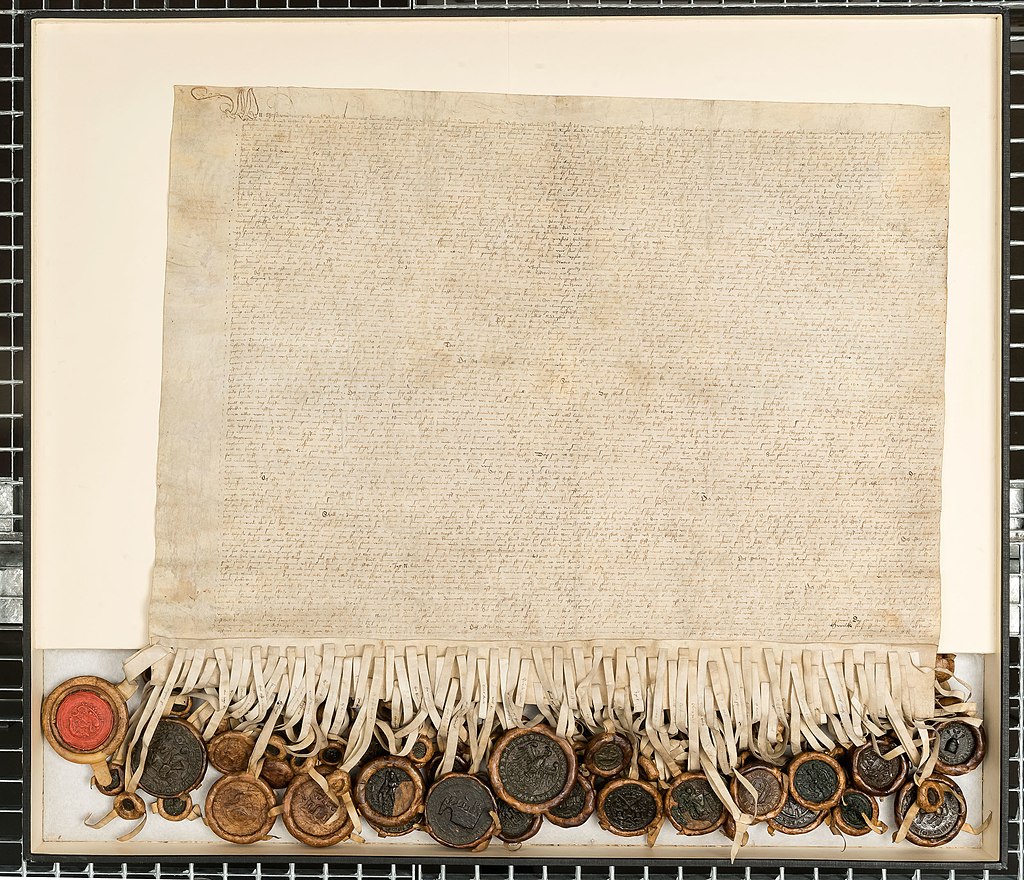
Lutheranism as official faith in Denmark.
Denmark
Political
Religious
4 min read
Updated By: History Editorial Network (HEN)
Published:
The Ordinance on the Danish Church established Lutheranism as the state religion of Denmark. This decree originated from a series of events triggered by the Protestant Reformation. After the death of King Christian II, Denmark experienced political turmoil, leading to the ascension of King Christian III. Motivated by his conversion to Lutheranism, Christian III sought to reform the church in Denmark.
The Ordinance on the Danish Church marked a significant shift in religious policies, consolidating power within the monarchy and instituting Lutheranism as the official faith of the state. Prior to this decree, Catholicism had been the dominant religion in Denmark, but the Reformation had gained momentum, influencing the political landscape. The establishment of Lutheranism aimed to unify the population under a single religious authority, aligning closely with the king's agenda for centralizing control.
This event had profound implications for the religious and political landscape of Denmark. It led to the confiscation of Catholic properties, redistribution of church wealth, and the suppression of Catholic practices. The Lutheran Church became a pillar of state authority, influencing both spiritual and secular affairs. The Ordinance on the Danish Church consolidated the power of the monarchy and set the stage for the long-term influence of Lutheranism in Danish society.
In conclusion, the Ordinance on the Danish Church solidified Lutheranism as the state religion in Denmark, marking a pivotal moment in the country's history. The decree reshaped religious institutions, centralized power in the monarchy, and laid the foundation for a Lutheran identity that persists to this day.
#Denmark #Lutheranism #StateReligion #Reformation #PoliticalReform
Explore the Life Moments of
 AI Twin