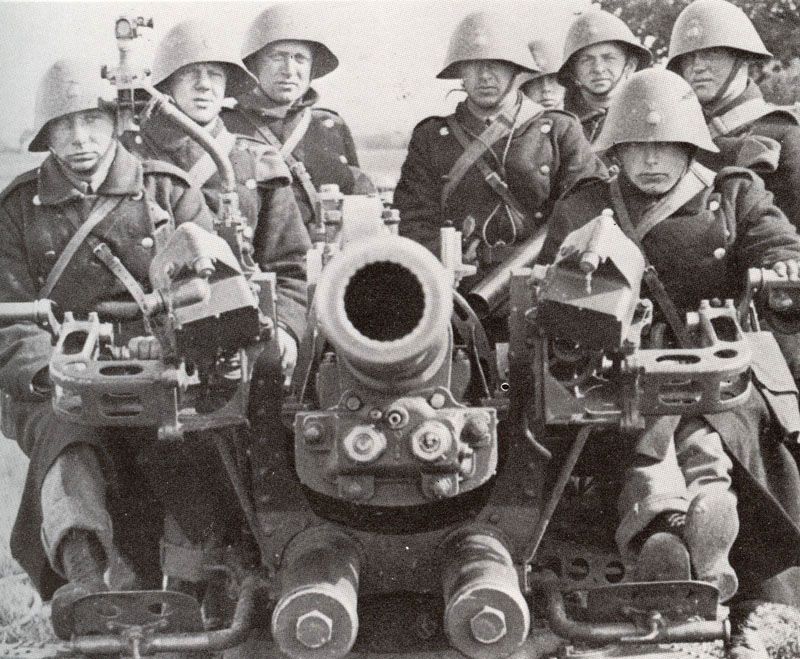
Liberation of Denmark from German occupation
Denmark
Political
3 min read
Updated By: History Editorial Network (HEN)
Published:
During World War II, Denmark was occupied by German forces. The occupation began in 1940 when Nazi Germany invaded and swiftly overtook the country. Danish resistance to the occupation grew over time, with underground movements forming to challenge the German presence.
The liberation of Denmark from German occupation came after years of struggle and resistance. As the war turned against Germany, the Danish resistance intensified their efforts, conducting acts of sabotage and intelligence gathering to support the Allied forces. On the 5th of May, 1945, British troops entered Denmark and the German forces surrendered, marking the end of the occupation.
The impact of the liberation was profound for the Danish people. After years of living under the oppressive rule of the Germans, they were finally free. The liberation brought joy and relief to the country, as people celebrated the return of their independence. The event was a symbol of resilience and unity for the Danish nation, as they came together to overcome a common enemy.
The liberation of Denmark from German occupation was a defining moment in the country's history. It marked the end of a dark chapter and the beginning of a new era of freedom and self-determination. The Danish people's courage and perseverance during the occupation are remembered and honored to this day.
#Denmark #Liberation #GermanOccupation #WorldWarII #Resistance #Freedom
Explore the Life Moments of
 AI Twin