Invasion and Surrender of Denmark and Norway
Denmark
Political
4 min read
Updated By: History Editorial Network (HEN)
Published:
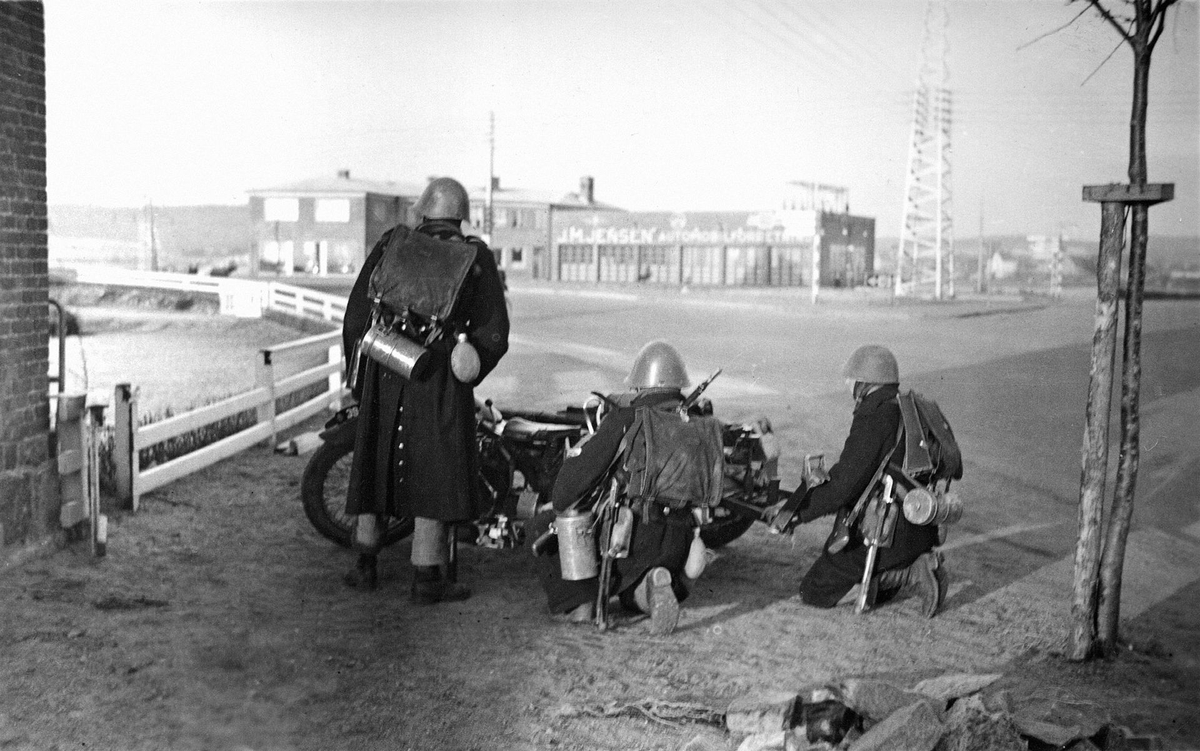
In early April, German forces launched a surprise invasion of Denmark and Norway. Denmark, with its small military and strategic location, was swiftly overrun in a six-hour battle. Despite Danish resistance, the overwhelming German forces ultimately led to the surrender of the country.
The invasion of Denmark and Norway was part of Adolf Hitler's broader military strategy to secure vital sea lanes and resources in Scandinavia. With control over Denmark, Germany aimed to strengthen its naval presence in the North Sea and secure supply routes to Norway.
The quick defeat of Denmark sent shockwaves through the international community, signaling Germany's military might and disregard for Scandinavian neutrality. The Danish government, faced with the prospect of devastating bombing raids and civilian casualties, decided to capitulate to spare further destruction.
The occupation of Denmark had far-reaching implications for the country's political and social fabric. The German authorities imposed strict control over Danish institutions, economy, and media. Danish Jews were particularly targeted, leading to widespread persecution and deportation to concentration camps.
Despite the occupation, the Danish people showed remarkable resilience and solidarity. Underground resistance movements formed to oppose the German occupation, providing hope and support to those affected by the harsh conditions.
The invasion of Denmark and Norway remains a somber chapter in the history of both countries. It serves as a reminder of the devastating consequences of war and the importance of vigilance in protecting national sovereignty.
#GermanInvasion #Occupation #ResistanceMovement #WorldWarII #DanishHistory
Explore the Life Moments of
 AI Twin