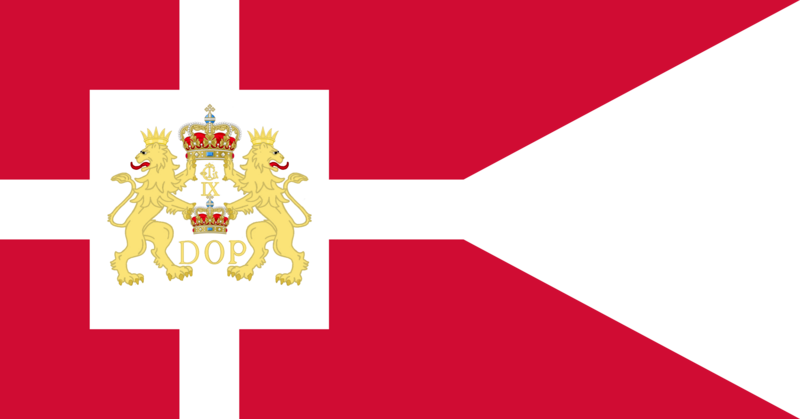
Establishment of the Danish East India Company in 1616
Denmark
Global Trade
Colonial
4 min read
Updated By: History Editorial Network (HEN)
Published:
In the early 17th century, Denmark sought to expand its influence in the lucrative trade routes of the East Indies. Acknowledging the success of other European powers in the region, Danish merchants and nobility came together to establish the Danish East India Company.
The primary goal of the company was to establish trade relations with countries in the East Indies, China, and Japan, in order to access valuable goods such as spices, silk, and tea. This move was driven by the desire to increase Denmark's wealth and power on the global stage. The Danish East India Company was granted a monopoly on Danish trade in the region, providing a significant advantage in the competitive world of international commerce.
The establishment of the Danish East India Company had a profound impact on Denmark's economy and political standing. It allowed Danish merchants to participate in the flourishing East Indies trade, bringing back exotic goods that were highly sought after in Europe. The influx of these goods helped stimulate the Danish economy and increase the country's prestige among other European powers.
Over time, the Danish East India Company faced challenges such as competition with other European trading companies, as well as conflicts with local rulers and pirates in the East Indies. Despite these obstacles, the company managed to maintain a presence in the region for over two centuries, contributing to Denmark's colonial history and global trade networks.
The legacy of the Danish East India Company is a testament to Denmark's ambitions as a maritime power and its willingness to engage in global trade. The establishment of the company marked a pivotal moment in Danish history, shaping the country's economic and political landscape for years to come.
#DanishEastIndiaCompany #GlobalTrade #ColonialHistory #MaritimePower

Explore the Life Moments of
 AI Twin