Commencement of St. Canute's Cathedral's Construction in Odense
Denmark
Landmark
Cultural Heritage
4 min read
Updated By: History Editorial Network (HEN)
Published:
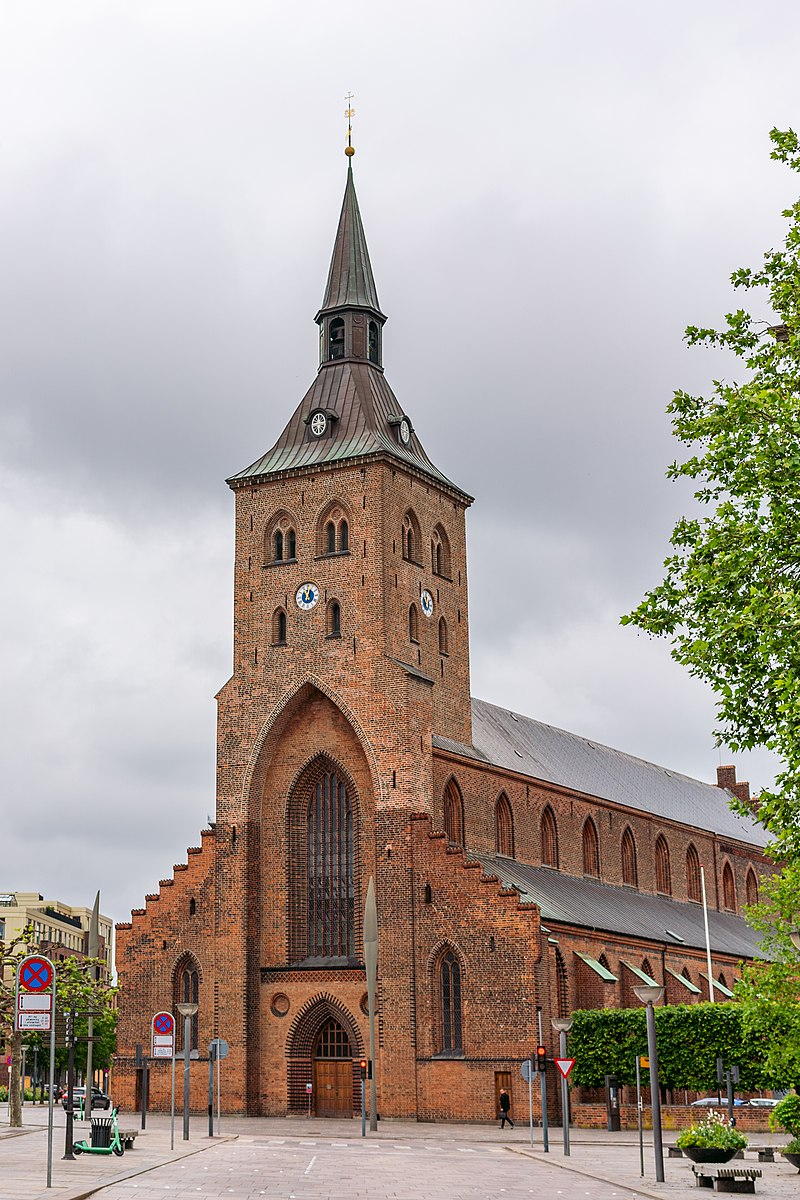
The construction of the St. Canute's Cathedral in Odense marked the beginning of an architectural marvel that would stand as a symbol of faith and history for centuries to come. The cathedral was dedicated to the Danish king Canute IV, also known as Saint Canute, who was murdered in 1086. His remains were interred at the site of the cathedral, making it a significant pilgrimage destination in the Middle Ages.
The cathedral's construction was a complex and lengthy process, reflecting the Gothic architectural style of the time. It was built using bricks, a material that was relatively new in Denmark at the time and showcased the technological advancements of the period. The intricate detailing and towering spires added to the grandeur of the cathedral, making it a focal point in the city of Odense.
Throughout its history, the St. Canute's Cathedral has witnessed significant events, including royal coronations, weddings, and burials. It has also undergone various renovations and additions, each contributing to its unique charm and historical significance.
The completion of the St. Canute's Cathedral brought a sense of pride and identity to the people of Odense and Denmark as a whole. It served not only as a place of worship but also as a symbol of national unity and cultural heritage.
Today, the St. Canute's Cathedral continues to attract visitors from around the world who marvel at its architectural beauty and rich history. It stands as a testament to the skill and craftsmanship of the builders who worked tirelessly to bring this magnificent structure to life.
#StCanutesCathedral #Odense #Denmark #GothicArchitecture #HistoricalLandmark #CulturalHeritage.

Explore the Life Moments of
 AI Twin