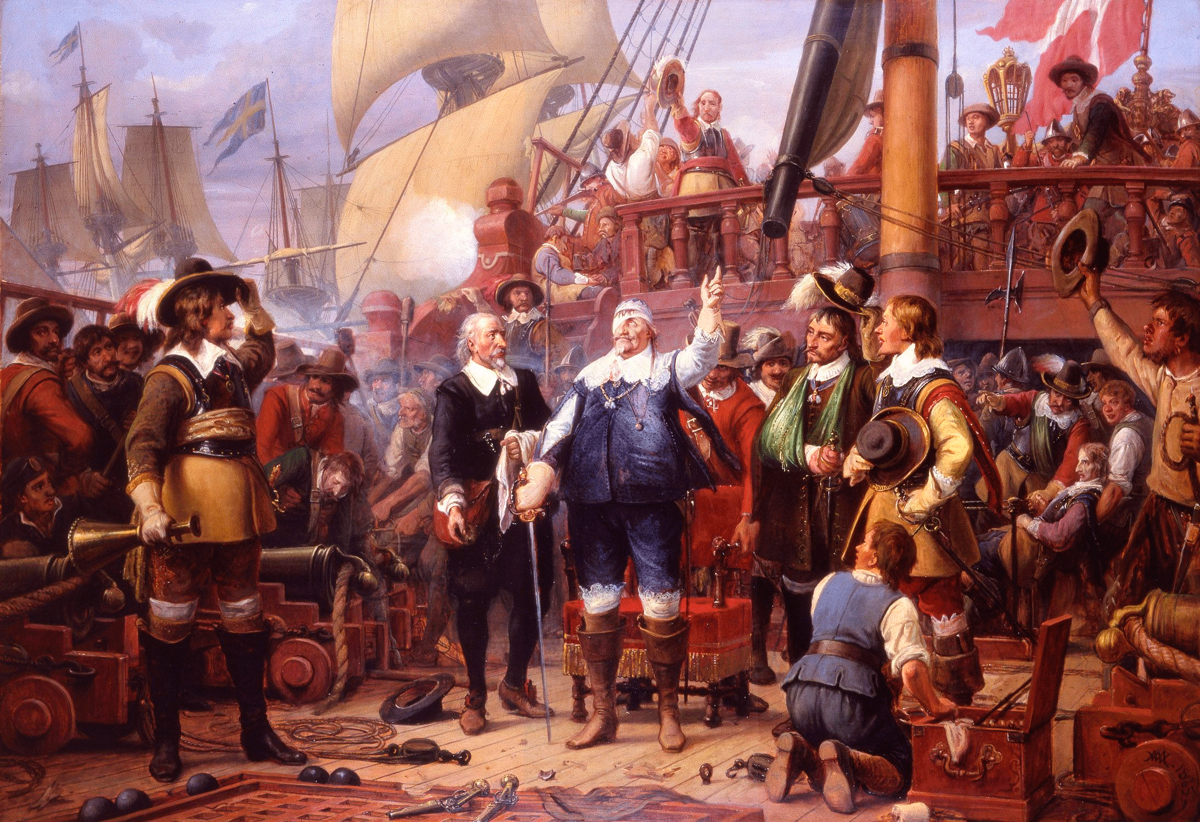
Civil war sparked by Stadtholder's rebellion against the king.
Denmark

Political
4 min read
Updated By: History Editorial Network (HEN)
Published:
In 1643, tensions between the Stadtholder and King Christian IV of Denmark escalated, sparking a revolt that plunged the country into a civil war. The Stadtholder, representing the interests of the nobility and regional powers, felt marginalized by the centralizing policies of the ambitious and authoritarian monarch. The imposition of heavy taxes and the weakening of traditional power structures further fueled the discontent among the nobles and regional leaders.
The Stadtholder's revolt gained momentum as many influential figures aligned themselves against the king, challenging his authority and demanding more autonomy for their regions. The conflict soon spread across the country, leading to a protracted and bloody civil war that caused widespread upheaval and suffering among the population.
The civil war deeply divided Danish society, pitting supporters of the Stadtholder against loyalists of King Christian IV. The conflict also had significant consequences for the economy, as trade and agriculture were disrupted, leading to widespread hardship and economic decline.
Ultimately, the Stadtholder's revolt against King Christian IV marked a turning point in Danish history, highlighting the inherent tensions between centralization and regional autonomy. The civil war exposed the fragility of royal authority and the limitations of monarchial power in the face of entrenched regional interests and noble opposition.
The legacy of the Stadtholder's revolt against King Christian IV continues to resonate in Danish history, serving as a reminder of the complexities of power dynamics and the enduring struggle for political autonomy and representation. #Denmark #StadtholdersRevolt #CivilWar

Explore the Life Moments of
 AI Twin