Ban on Face-Covering Garments in Denmark: Impact on Personal and Cultural Practices
Denmark
Political
Cultural
4 min read
Updated By: History Editorial Network (HEN)
Published:
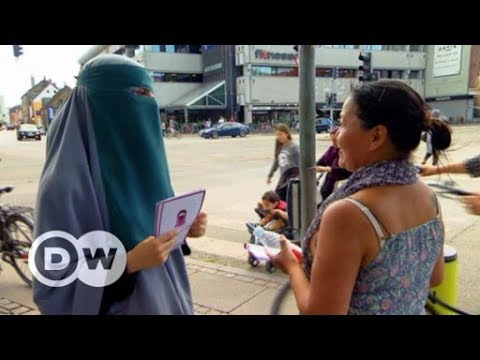
The Danish government implemented a ban on face-covering garments such as the niqab and burqa, impacting personal and cultural practices. The ban primarily affects Muslim women who choose to wear these religious garments, citing security and integration concerns as the main reasons behind the decision. Denmark joins other European countries in regulating the use of face veils in public spaces.
The ban sparked debates regarding religious freedom, women's rights, and cultural tolerance. Supporters argue that the ban promotes security and societal integration by ensuring open communication and identification in public settings. Critics view it as a violation of individual rights and an attack on religious freedom, specifically targeting the Muslim community. Human rights groups expressed concern over the potential discrimination and marginalization of Muslim women resulting from the ban.
The implementation of the ban led to protests and demonstrations across Denmark, with some Muslim women refusing to comply with the new regulation. Violations of the ban may result in fines, escalating tensions between the government and affected individuals. The Danish government defended the ban as a necessary measure to uphold societal values and promote cultural cohesion within the country.
The ban on face-covering garments in Denmark underscores the ongoing cultural and religious dynamics within European societies, raising questions about individual freedoms, societal norms, and identity expression. The impact of the ban extends beyond legal restrictions, influencing social interactions and perceptions of diversity and inclusion within Danish communities.
#Denmark #NiqabBan #BurqaBan #ReligiousFreedom #CulturalIdentity
Explore the Life Moments of
 AI Twin