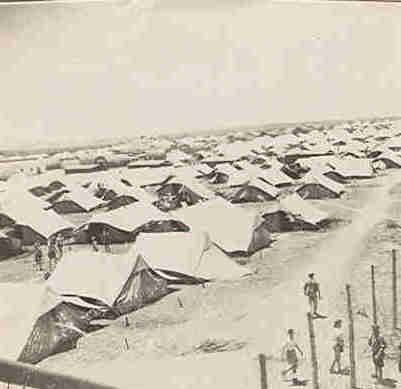
Internment of Displaced Jews in Cyprus Camps
Cyprus
Global Trade
Political
4 min read
Updated By: History Editorial Network (HEN)
Published:
Updated:
Following World War II, the surge of Jewish refugees seeking to flee war-torn Europe became a pressing issue. The British Mandate in Palestine imposed strict immigration quotas, which ignited controversies. Amidst the escalating struggle between Jewish Holocaust survivors and the British administration, a strategic decision was made to address the influx of displaced persons.
In response, the British government initiated the establishment of detention camps on the island of Cyprus. This approach was intended to intercept and house Jewish refugees attempting to immigrate to Palestine without proper documentation. The camps were hastily constructed and managed by British authorities, who aimed to balance their mandated responsibilities with political pressures and international scrutiny.
The impact on the displaced Jewish population was significant. Around 53,000 Jews were interned in these camps, experiencing harsh living conditions and limited resources. Among those interned, many had survived the horrors of concentration camps and arrived in Cyprus with hopes of starting anew in Palestine. The internment left an enduring mark, adding to the refugees' trauma and delaying their aspirations for resettlement and stability.
The decision to use Cyprus as a detention site drew global attention and criticism. It underscored the broader tensions of post-war geopolitics, British colonial policy, and the plight of Jewish Holocaust survivors. The period of internment persisted until altered political circumstances and growing pressures led to changes in British policy and eventually the establishment of the State of Israel, where many Jewish refugees sought a permanent homeland.
#JewishRefugees #BritishMandate #PostWarEurope #ImmigrationPolicy #CyprusCamps #DisplacedPersons #MoofLife
Primary Reference
Cyprus Detention Camps | Holocaust Encyclopedia

Explore the Life Moments of
 AI Twin