Spanish Explorers Discover Rakahanga Islands
Cook Islands
Exploration
Geography
3 min read
Updated By: History Editorial Network (HEN)
Published:
Updated:
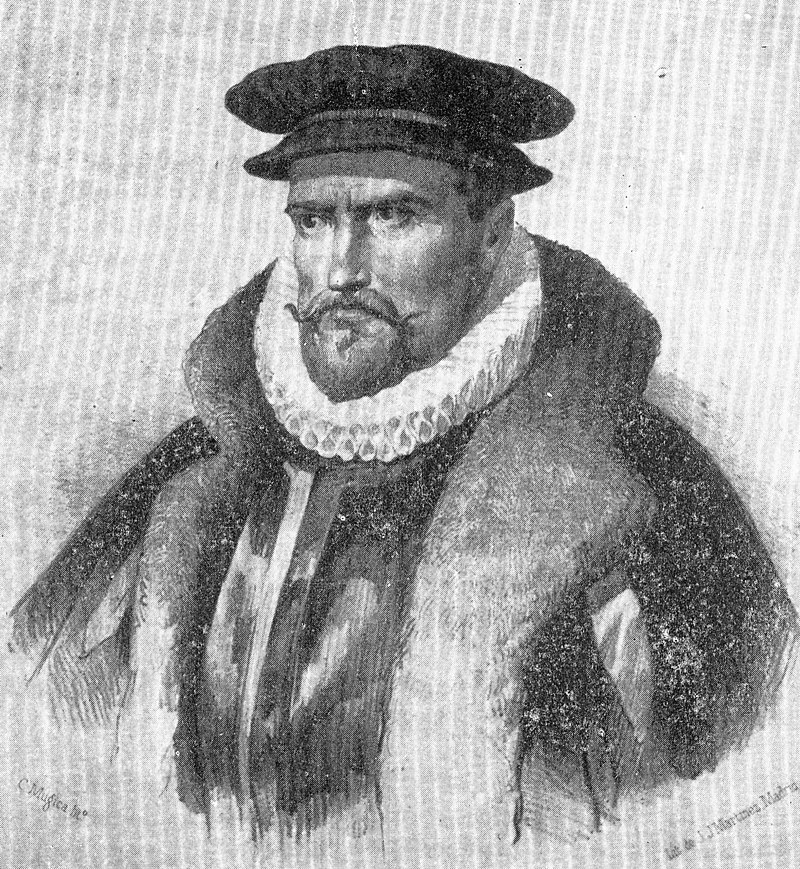
Pedro Fernandes de Queirós, a Portuguese captain serving the Spanish Crown, is recognized for making the first European landing in the islands of Rakahanga. Upon his arrival, he named the island Gente Hermosa, which translates to "Beautiful People." This event marked the beginning of European exploration in the region, setting the stage for subsequent interactions between European powers and the indigenous populations of the Cook Islands. The landing by Queirós was part of broader maritime exploration efforts during the Age of Discovery, which saw European nations seeking new territories and trade routes across the Pacific Ocean.
The impact of Queirós's landing was profound, as it opened the door for future explorers, including British naval officer Captain James Cook, who visited the islands in the 18th century. Cook's expeditions in the region further established European interest and presence, leading to the naming of various islands, including Manuae, which he referred to as Hervey Island. This naming convention eventually extended to encompass the entire group of islands known as the Hervey Islands. The interactions initiated by these early European explorers would have lasting effects on the cultural and social dynamics of the indigenous populations, as well as on the geopolitical landscape of the Pacific.
#mooflife
#MomentOfLife
#EuropeanExploration
#Rakahanga
#PedroFernandesDeQueirós
#JamesCook
#CookIslands
Primary Reference
The Spanish quest for Terra Australis

Explore the Life Moments of
 AI Twin