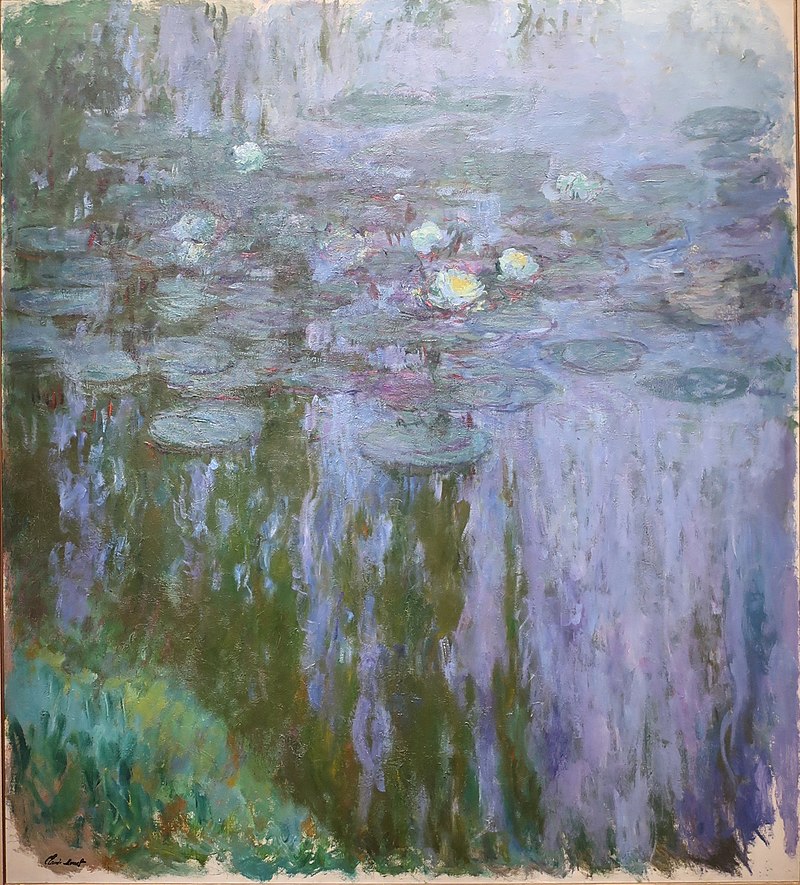
Monet's Weeping Willow series: A tribute to fallen soldiers and solace in nature.
France
Art
Tribute
4 min read
Updated By: History Editorial Network (HEN)
Published:
Updated:
During the early stages of World War I, Claude Monet, a central figure in the Impressionist movement, found his nation embroiled in a devastating conflict. Like many artists of his time, Monet was deeply affected by the war's impact on France, particularly the immense loss of life among French soldiers. Seeking a way to express his grief and pay tribute to the fallen, Monet turned to his art.
Monet began creating a series of paintings known as the Weeping Willow series. This series was characterized by the recurring motif of the weeping willow tree, which he depicted in various moods and lights. The choice of the weeping willow, a tree often associated with mourning and reflection, symbolized Monet's sorrow over the wartime devastation and personal losses. This series was not just an artistic endeavor but served as a form of commemoration for the French soldiers who had died in the war.
Alongside his tribute to the soldiers, Monet also focused on his garden at Giverny. During the war, he meticulously maintained and expanded his garden, which had become a significant source of inspiration for his work. Monet's garden featured an array of flowers, water lilies, and the iconic Japanese bridge, elements that would frequently appear in his paintings. His dedication to his garden during such a turbulent period highlighted how he found solace and creativity in nature.
Monet's work during this period had a profound impact on his legacy and the art world. The Weeping Willow series became emblematic of his response to the war, blending personal grief with national tragedy. As an artist, Monet used his talents to capture the complex emotions of the time, and his commitment to his garden ensured a continuous flow of inspiration for his subsequent masterpieces.
#ClaudeMonet #WeepingWillow #Impressionism #WorldWarI #FrenchSoldiers #ArtHistory #MoofLife
Primary Reference
Monet and Water Lilies: Emotional experience | by Museums as ...
Explore the Life Moments of
 AI Twin