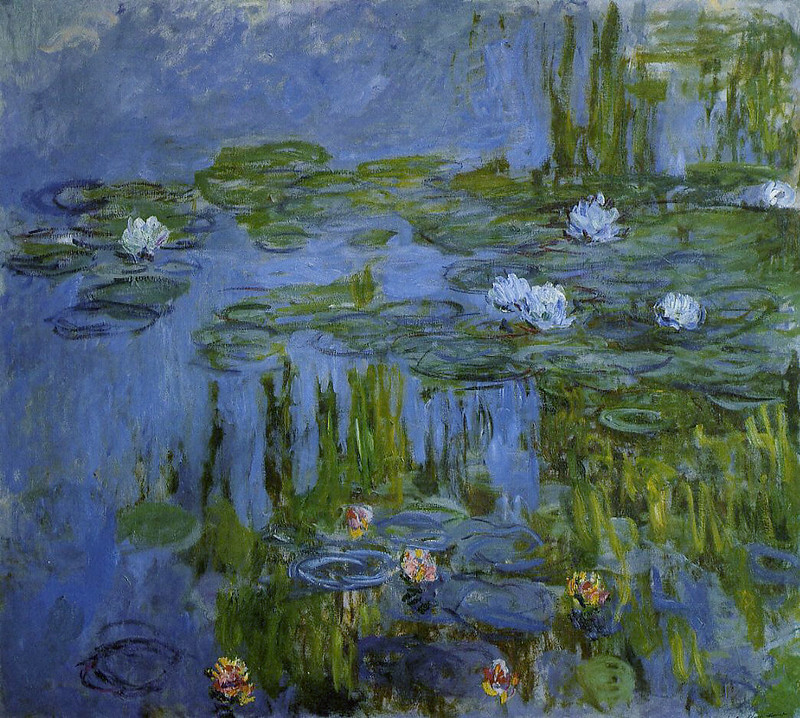
Monet's Water-Lily Pond: A Shift Towards Abstraction and Influence on Modern Art
France
Art
4 min read
Updated By: History Editorial Network (HEN)
Published:
Updated:
Claude Monet's exploration of the water-lily pond marked a pivotal shift in his artistic approach. Moving away from his earlier Impressionist techniques, Monet developed a more fluid and abstract style, focusing intensely on the water-lily pond in his garden at Giverny. This change came amidst a period of intense personal reflection and physical challenges, as Monet faced deteriorating eyesight due to cataracts.
Monet's new approach involved broader brushstrokes and a more liberated use of color. The water-lily pond series, comprising approximately 250 paintings, departed from the precise and detailed depictions characteristic of Impressionism, instead capturing the ephemeral interplay of light and water through an almost abstract lens.
Art historians note that Monet's shift was influenced by his desire to push the boundaries of visual perception and representation. The water-lily series has been hailed as a precursor to the Abstract Expressionist movement, with artists like Jackson Pollock and Mark Rothko drawing inspiration from Monet’s innovative use of form and color.
Monet's water-lily paintings not only transformed his oeuvre but also had a profound impact on the broader art movement of the early 20th century. They were exhibited internationally, drawing attention to Monet's evolving style and reinforcing his stature within the global art community. These works are now considered masterpieces, with the larger Water Lilies canvases housed in institutions such as the Musée de l'Orangerie in Paris.
#ClaudeMonet #WaterLilies #ArtHistory #Impressionism #AbstractArt #MoofLife
Primary Reference
Claude Monet - Wikipedia
Explore the Life Moments of
 AI Twin