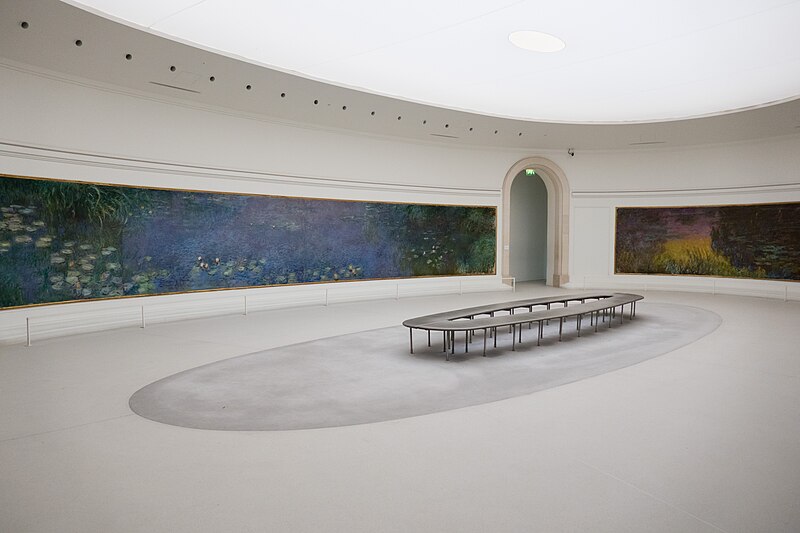
Monet's "Water Lilies" Exhibition: Initial challenges, eventual success at Musée de l'Orangerie.
France
Art
Culture
4 min read
Updated By: History Editorial Network (HEN)
Published:
Updated:
Following extensive negotiations with the French government, twenty-seven panel paintings by Claude Monet were exhibited at the Musée de l'Orangerie. These artworks, part of Monet's "Water Lilies" series, provided an immersive experience showcasing his expertise in capturing nature's tranquility. Despite the significance of the exhibition and Monet's established fame, the attendance was unexpectedly low, indicating a disconnect between the anticipated and actual public interest.
Several factors potentially contributed to the tepid turnout. The political and economic climate of the time may have influenced public priorities, impacting cultural and art-related activities. Additionally, the period following Monet's death saw shifts in artistic trends, with new avant-garde movements emerging, which may have overshadowed the appreciation for Impressionism among contemporary audiences.
The exhibition's setup at the Musée de l'Orangerie intended to create a space where viewers could experience the paintings as an enveloping panorama, enhancing the meditative and immersive quality Monet aimed for. Despite the initial low attendance, the exhibition helped cement the importance of Monet's late works and laid the groundwork for future recognition and appreciation.
In subsequent years, the installation at the Musée de l'Orangerie grew in popularity, becoming a central feature for art enthusiasts and tourists in Paris. Monet's "Water Lilies" series eventually gained acclaim for its innovative use of space and light, influencing modern and contemporary artists.
#ClaudeMonet #MuseeDeLOrangerie #WaterLilies #ArtExhibition #Impressionism #FrenchArt #MoofLife
Primary Reference
Claude Monet - Wikipedia
Explore the Life Moments of
 AI Twin