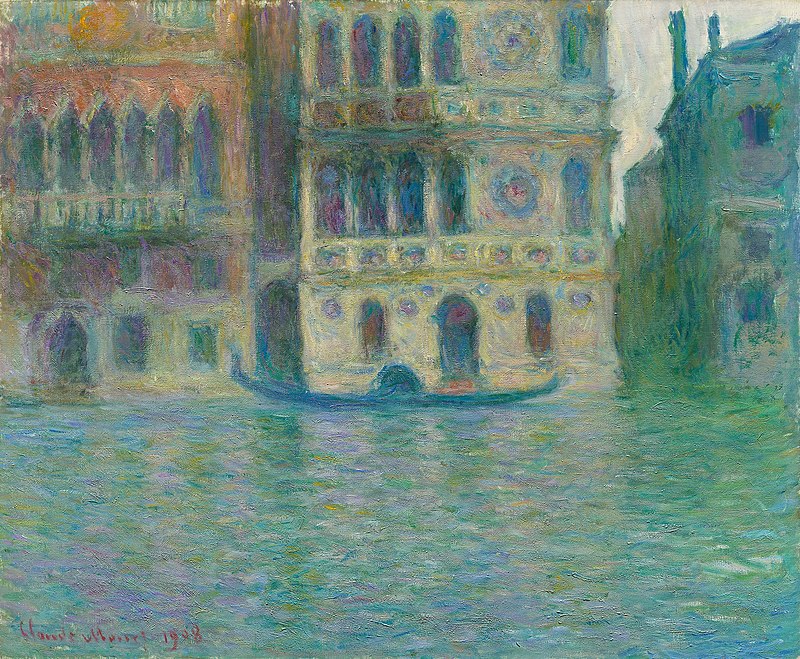
Monet's Venice: Mastering Light and Water in Impressionism
France
Art
Impressionist
4 min read
Updated By: History Editorial Network (HEN)
Published:
Updated:
Claude Monet, a leading figure in the Impressionist movement, traveled to Venice for the final time with his wife, Alice. During this journey, Monet produced a series of paintings that captured the city's architectural beauty and the unique play of light and water. Among the notable works from this period were depictions of the Grand Canal and the Palazzo da Mula, showcasing his commitment to rendering ever-changing atmospheric conditions.
Monet's output in Venice reflected a high degree of experimentation with color and light dynamics, contributing to his reputation as a master of plein-air painting. His time in Venice is often cited for its influential role in his later works, which were characterized by softer, more diffused light and bolder brushwork. This period is marked by Monet's deepening engagement with water as a subject, which he had explored intensively in his gardens at Giverny.
The impact of Monet's Venetian paintings extends beyond their immediate artistic value. They exemplify the culmination of his lifelong dedication to capturing natural light. These works were critical in Monet's later solo exhibitions, solidifying his standing in the art market and increasing his influence on contemporary and future artists.
Various art historians have studied this period extensively, noting how these paintings represent a shift in Monet's technique toward greater abstraction. His inability to return to Venice due to his declining health added a layer of poignancy, rendering these works as some of his final meditations on the interplay of light, water, and architecture.
#Impressionism #MonetInVenice #ArtHistory #MoofLife
Primary Reference
the Pigeons, and more - Recollections of a Vagabonde: Venice
Explore the Life Moments of
 AI Twin