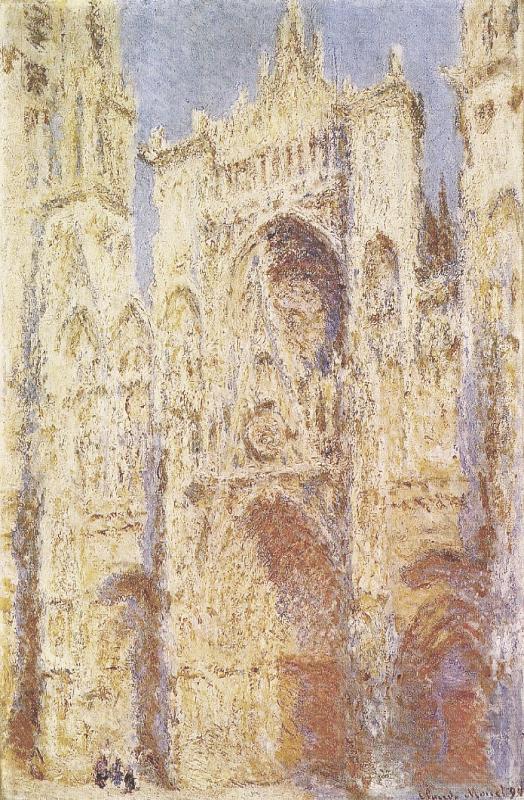
Monet's Rouen Cathedral: Capturing Light and Atmosphere in 20 Paintings
France
Art
Impressionism
4 min read
Updated By: History Editorial Network (HEN)
Published:
Updated:
Claude Monet exhibited 20 paintings of Rouen Cathedral, demonstrating his exploration of light, weather, and atmosphere on the cathedral's facade. Monet's series of paintings was a profound study of how different conditions affected the appearance of a single subject. The works were created from a room at Rouen Cathedral, with Monet dedicating extensive periods to observe and capture the shifting effects of light and atmosphere.
This series marked a crucial development in Monet's artistic journey, emphasizing his commitment to capturing the transient nature of light. The endeavor involved the use of various palettes to represent the changing times of day and diverse weather conditions, ranging from bright sunlight to foggy and overcast scenarios. Monet's persistence in this project illustrated his dedication to the principles of Impressionism, especially the emphasis on perception and the ephemeral aspects of natural scenes.
Monet's Rouen Cathedral series received attention for its innovative approach and techniques. Critics and the public recognized the work for its unique contribution to art, showcasing Monet's ability to transform a simple architectural subject into a complex study of natural phenomena. This exhibit played a role in solidifying Monet's reputation as a leading figure in the Impressionist movement. The paintings themselves are spread across various major art museums, highlighting their importance and recognition in the art world.
This method of studying a single subject through multiple perspectives provided valuable insights into the interaction between light and surface, further influencing future artists' approaches to similar subjects. #Monet #Impressionism #RouenCathedral #ArtHistory #MoofLife #LightAndAtmosphere
Primary Reference
a crash course in art history from prehistoric to post-modern
Explore the Life Moments of
 AI Twin