Monet's Resilience: Revisiting Water Lilies Through Cataracts - A Triumph in Adversity
France
Art
Resilience
4 min read
Updated By: History Editorial Network (HEN)
Published:
Updated:
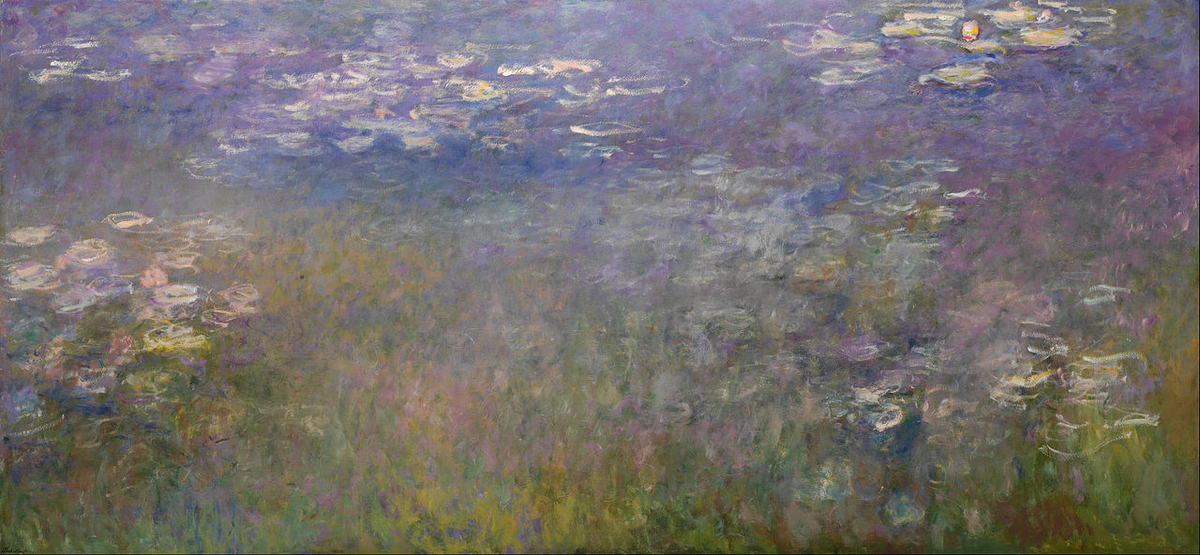
Claude Monet, a leading figure in the Impressionist movement, experienced a notable phase in his artistic journey during which he revisited some of his earlier works. This period was marked by a significant personal challenge: Monet was suffering from cataracts, which affected his vision and subsequently, his ability to paint. Despite undergoing multiple surgeries to restore his eyesight, Monet faced considerable difficulties in his artistic endeavors.
In this context, Monet decided to retouch some of his pre-operative works. Among his masterpieces, the series of water lilies held a special place. These paintings were originally characterized by vibrant, varied hues. However, Monet added bluer tones to these works during the retouching process. This change reflected his evolving perception and perhaps his altered vision post-surgery.
The impact of these alterations was significant in the art world. Monet's water lilies series is renowned globally, and his decision to rework them indicated his relentless pursuit of artistic perfection. This phase also witnessed Monet resuming a degree of artistic activity, albeit limited. His efforts underscored his dedication to his craft, even in the face of physical adversity.
Monet's contributions to art extend beyond his paintings; they shaped the Impressionist movement and inspired future generations of artists. His resilience and adaptive approach to his work during this challenging period exemplify his commitment to art.
#ClaudeMonet #ArtHistory #WaterLilies #Impressionism #ArtisticPerseverance #MoofLife
Primary Reference
Untitled

Explore the Life Moments of
 AI Twin