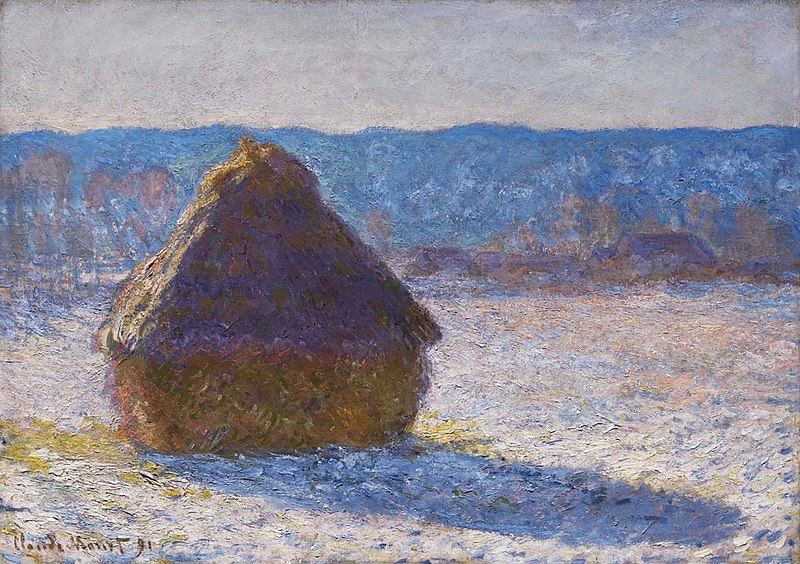
Monet's 'La Mare, Snow Effect' in Nazi restitution settlement: Legal, ethical debates escalate.
France
Global Trade
Political
Cultural Heritage
5 min read
Updated By: History Editorial Network (HEN)
Published:
Updated:
Claude Monet's 'La Mare, Snow Effect' ('La Mare, effet de neige'), a notable piece of 19th-century French impressionist art, was included in a settlement involving the heirs of Richard Semmel. Semmel, a Jewish industrialist and art collector, had been forced to sell his extensive art collection under duress by the Nazis prior to World War II. The painting's provenance, or history of ownership, became a focal point of legal and ethical debates as efforts to return culturally significant property to rightful heirs intensified.
The inclusion of 'La Mare, Snow Effect' in the settlement represented a landmark in the global movement for restitution of art looted or unfairly sold during the Nazi era. The legal discussions revolved around restitution laws and international cooperation aimed at correcting historical wrongs. Notably, institutions and private collectors worldwide were increasingly participating in such efforts to resolve claims over contested artworks.
The resolution of this case involved complex negotiations between representatives of the heirs of Richard Semmel, art historians, and legal advisors. The settlement underscored the importance placed on rightful ownership and highlighted the ongoing challenges faced in addressing cultural properties displaced by conflict and persecution. The decision to return the Monet painting to Semmel's heirs was seen as an acknowledgment of the injustices suffered by Jewish families during the Nazi regime.
The impact of this settlement extended beyond the parties involved. It served as a catalyst for other restitution cases, encouraging other museums and collectors to examine the provenance of their collections. Statistics indicated that a growing number of institutions worldwide were dedicating resources to provenance research, aiming to make amends for past wrongs and restore artworks to their legitimate owners.
The settlement also prompted discussions within the art community about the ethical responsibilities of collectors and museums. Questions of due diligence in art acquisitions and the moral imperative to address historical injustices became more prominent. The case of 'La Mare, Snow Effect' was viewed as a significant step forward in the broader efforts to reconcile with the past and ensure more ethical stewardship of cultural heritage.
#Restitution #ArtLaw #CulturalHeritage #HistoricalJustice #MoofLife
Primary Reference
CLAUDE MONET (1840-1926), La mare, effet de neige | Christie's
Explore the Life Moments of
 AI Twin