Monet's Impressionist Journey in Argenteuil
France
Art
Impressionism
4 min read
Updated By: History Editorial Network (HEN)
Published:
Updated:
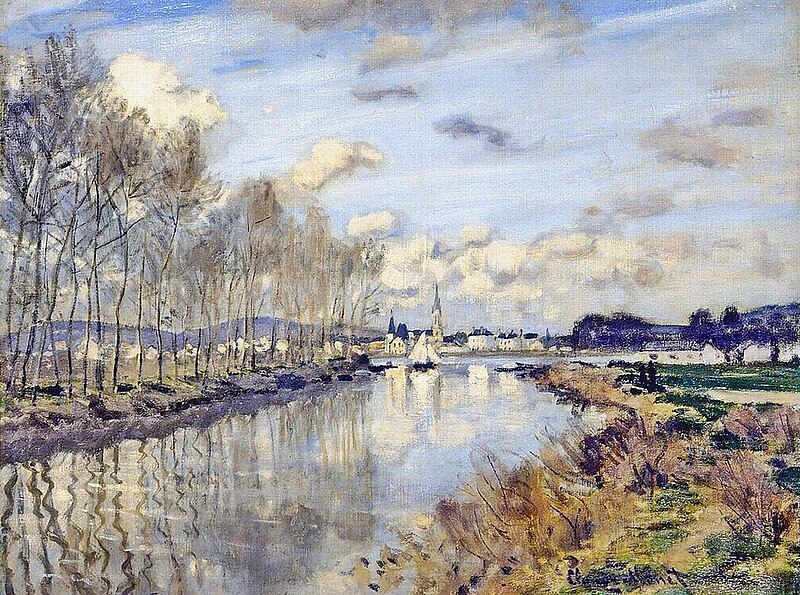
Claude Monet relocated to Argenteuil, a commune in the northwestern suburbs of Paris. During his time there, Monet found himself profoundly influenced by the techniques and compositions of Dutch landscape painters. This inspiration led him to focus closely on the natural surroundings of the Seine River, which meanders through the region.
Argenteuil offered Monet a serene and picturesque environment, which became a pivotal subject in his work. The Seine’s reflections and the interplay of light on its waters provided Monet with endless opportunities to explore the effects of light and atmosphere, key elements in the development of the Impressionist movement.
Monet's work during this period includes several notable pieces capturing the different moods and times of day along the Seine. Among them, his paintings such as "The Bridge at Argenteuil" and "The Seine at Argenteuil" stand out. These works are characterized by their loose brushwork and focus on capturing the fleeting effects of light.
Monet’s Argenteuil phase marked a significant transition in his artistic journey, moving towards a greater emphasis on light and color rather than detailed realism. This approach aligned with the developing ethos of the Impressionist movement, which Monet and his contemporaries were pioneering. By painting en plein air, Monet was able to more directly observe and capture the changing qualities of natural light, a technique that would define much of his later work.
This relocation not only influenced Monet's style but also positioned him at the heart of the burgeoning Impressionist community. It provided opportunities for collaboration and exchange with other Impressionists, fostering a period of prolific output and innovation in his work.
#ClaudeMonet #Impressionism #Argenteuil #SeineRiver #DutchPainters #EnPleinAir #MoofLife
Primary Reference
Claude Monet Biography In Details
Explore the Life Moments of
 AI Twin