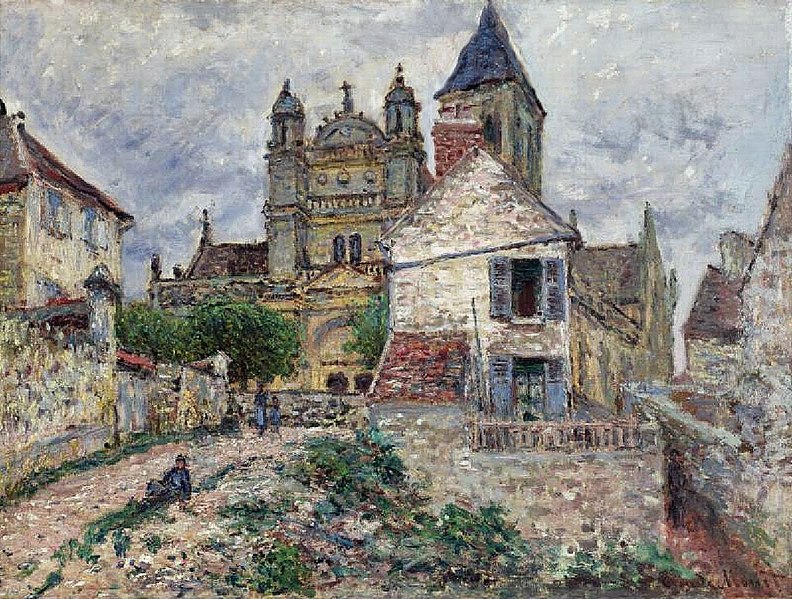
Legal Battle over Monet's Paintings: Bautista vs. Philippine Government, Wealthy Art Collection Dispute
France
Political
Art Ownership
4 min read
Updated By: History Editorial Network (HEN)
Published:
Updated:
Claude Monet's paintings, L’Eglise de Vétheuil and Le Bassin aux Nymphéas, became entangled in a legal case involving Vilma Bautista and the Philippine government over disputed ownership. Vilma Bautista, a confidante and aide of Imelda Marcos, stood accused of unlawfully selling these artworks, initially acquired during the Marcos regime. The works of art, representative of Monet's exploration of light and natural beauty, were part of the opulent collection amassed by the Marcos family. The controversy centered around whether Bautista had legal authority to sell the pieces, given their potential classification as ill-gotten wealth.
The sale further complicated matters, as the funds generated from these high-valued paintings were significant, raising questions about their intended use and destination. Le Bassin aux Nymphéas, one of Monet's celebrated water lilies series, and L’Eglise de Vétheuil, depicting the church in Vétheuil, became focal points in determining their rightful ownership. This legal battle highlighted the broader issue of asset recovery involving political figures and their associates.
The dispute had considerable implications. It underscored the importance of provenance in art ownership and the significant financial and cultural dimensions of art repatriation. Moreover, this struggle shed light on the persistent challenges related to tracking and reclaiming assets linked to corrupt regimes. Legal experts, art historians, and international stakeholders monitored the case closely, reflecting its high-profile status and impact on art law and international jurisprudence.
#MonetCase #LegalDispute #ArtOwnership #Philippines #AssetRecovery #MoofLife
Primary Reference
Untitled
Explore the Life Moments of
 AI Twin