Claude Monet's Water Lilies: A Groundbreaking Series of Tranquil Pond Paintings
France
Art
5 min read
Updated By: History Editorial Network (HEN)
Published:
Updated:
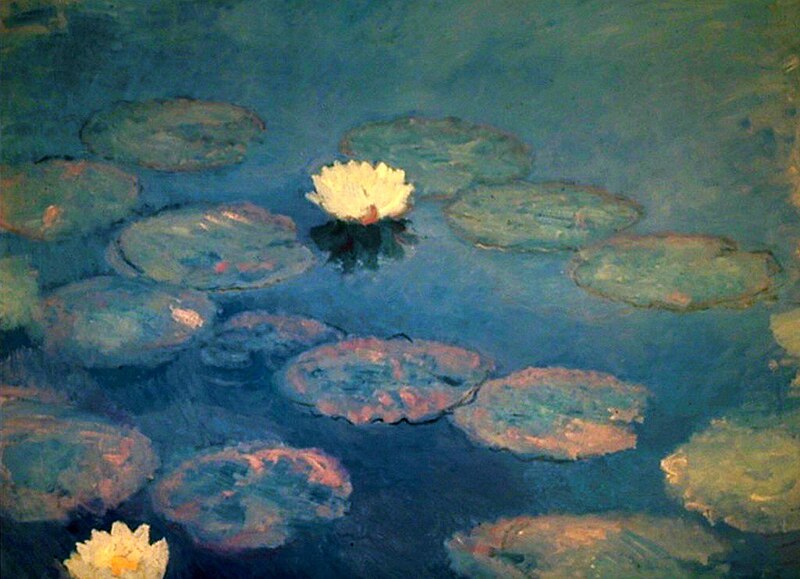
In the closing years of the 19th century, Claude Monet embarked on creating one of his most enduring and celebrated series of paintings, depicting scenes from his own water garden in Giverny, France. This series of work, which would become known as the Water Lilies, comprised approximately 250 paintings. These canvases featured Monet's observations of the tranquil pond, capturing the light and reflections on the water at various times of the day and different seasons.
Monet's focus on this series was partly influenced by his fascination with the possibilities of light and color, and his desire to produce a contemplative and immersive viewing experience. He devoted himself extensively to these paintings, often working on multiple canvases simultaneously, to capture the shifting effects of light and atmosphere. His approach demonstrated a profound connection with his garden and an unyielding commitment to capturing the ephemeral beauty of nature.
The impact of Monet's Water Lilies series was profound, establishing a new direction in the Impressionist movement and influencing successive generations of artists. These works are considered precursors to abstract art due to their emphasis on color and form over subject matter. The paintings were later displayed in significant exhibitions worldwide, solidifying Monet’s reputation as a pioneering artist.
Monet’s dedication to the Water Lilies went beyond artistic expression. He designed and expanded his garden with the intent of creating a living canvas, reflecting his philosophy that art and nature are deeply intertwined. This unique perspective resonated with audiences and art critics alike, contributing to larger conversations about the relationship between humanity and the natural world.
Today, the Water Lilies series remains a cornerstone of art history, celebrated for its innovative use of color, light, and form. The works are prominently displayed in major art institutions, including the Musée de l'Orangerie in Paris, which houses some of Monet's large-scale panels, specifically designed for the museum's oval rooms to give visitors an immersive experience.
#ClaudeMonet #WaterLiliesSeries #Impressionism #ArtHistory #GivernyGarden #MoofLife
Primary Reference
Show Me The Monet, 2005 - Banksy Explained

Explore the Life Moments of
 AI Twin