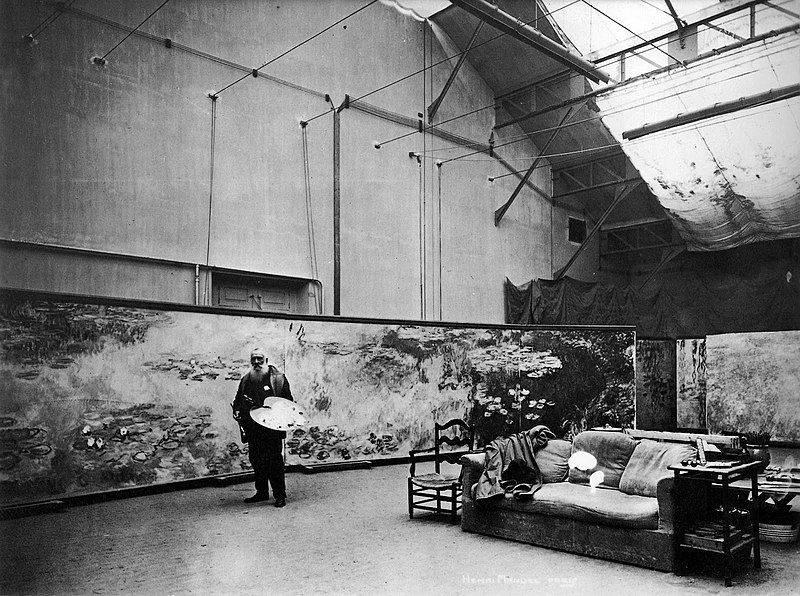
Claude Monet's struggle with cataracts: Art and vision impairment in Impressionist era.
France
Art and Health
3 min read
Updated By: History Editorial Network (HEN)
Published:
Updated:
Claude Monet, a prominent figure in the Impressionist movement, faced significant vision impairment later in life due to cataracts. Seeking relief, he was prescribed mydriatics, a type of medication that dilates the pupils and can temporarily enhance visual acuity. This treatment provided Monet with short-term improvement, allowing him to see more clearly for a brief period.
Monet's cataracts had progressively distorted his perception of color and light, impacting his ability to paint. With his art heavily reliant on his keen observation of nature, the impairment was a severe hindrance. The temporary clarity afforded by the mydriatics let him continue his work with a semblance of his former precision.
However, the relief was fleeting, and the underlying issue remained unaddressed. Despite this, the use of mydriatics offered a valuable, albeit short-lived, respite. Monet's experience underscores the challenges faced by individuals with deteriorating vision in an era with limited medical interventions.
The broader impact of this moment reflects the intersection of medical treatment and artistic practice. Monet's perseverance in the face of his condition highlights the resilience required to continue working under physical constraints.
Relevant hashtags: #ClaudeMonet #VisionImpairment #ArtAndHealth #Mydriatics #Impressionism #MedicalHistory #MoofLife
Primary Reference
Claude Monet - Wikipedia

Explore the Life Moments of
 AI Twin