Claude Monet's Patriotic Panel Paintings: Boosting Morale and Preserving Culture in WWI
France
Artistic
4 min read
Updated By: History Editorial Network (HEN)
Published:
Updated:
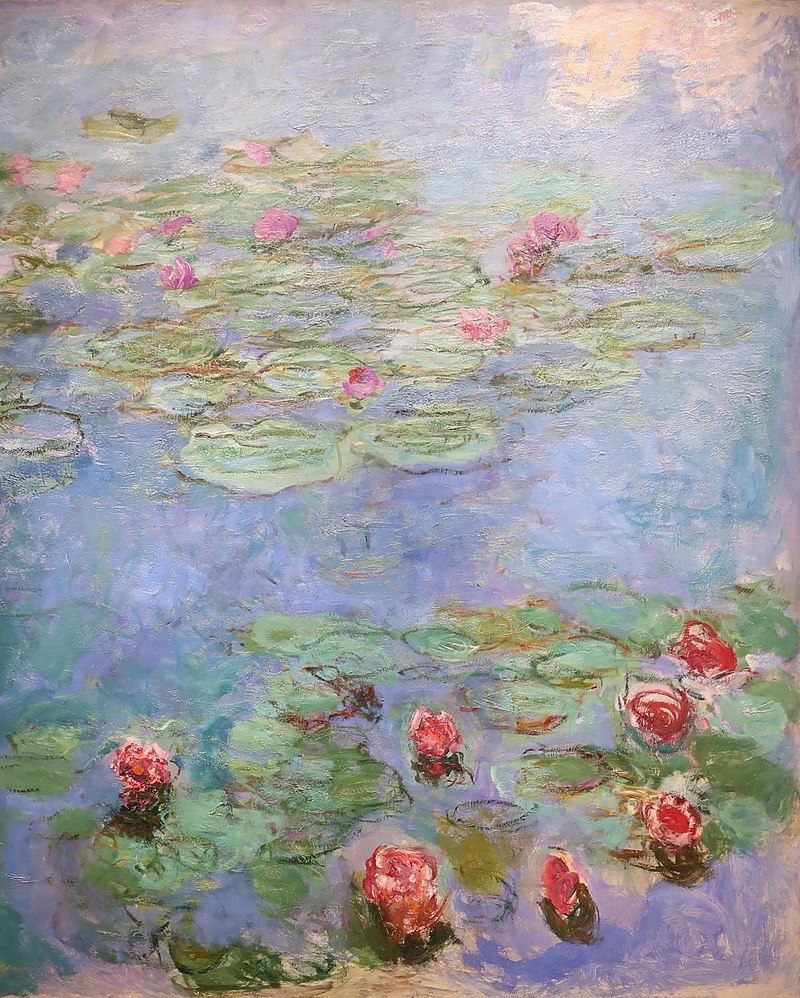
Claude Monet, the renowned French impressionist painter, undertook a notable project by producing panel paintings for the French government during World War I. The commission was part of an effort to boost national morale and support the war effort through cultural contributions. This initiative provided Monet with a considerable financial boost, laying the foundation for his later years of prolific art production.
During this period, Monet was tasked with creating a series of large-scale works that would be displayed as symbols of national pride and resilience. These paintings aimed to encapsulate the beauty and vibrancy of the French landscape and served as a reminder of the nation's cultural heritage. Monet's work was well-received by both the government and the public, highlighting his significant role within the French art scene.
The collaboration not only brought Monet considerable financial success but also cemented his status as a key figure in the preservation and promotion of French culture during tumultuous times. The project enabled Monet to continue experimenting with his techniques and themes, ultimately contributing to the evolution of his artistic style. Monet's ability to capture light and movement in his paintings resonated with contemporary audiences and ensured that his legacy would endure.
Monet's series of panel paintings had a substantial impact on the French art community, inspiring other artists to contribute to the war effort through their creative expressions. The government commission underscored the importance of art as a means of cultural continuity and morale during periods of conflict.
#ClaudeMonet #WWIArt #FrenchGovernment #NationalMorale #CulturalHeritage #FinancialSuccess #PanelPaintings #ArtHistory #MoofLife
Primary Reference
Claude Monet - Wikipedia
Explore the Life Moments of
 AI Twin