Claude Monet's Marriage Amid War: Personal Commitment Amid Turmoil
France
Art
4 min read
Updated By: History Editorial Network (HEN)
Published:
Updated:
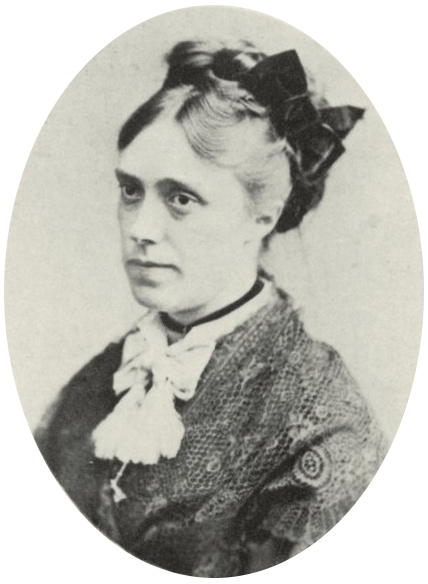
Claude Monet married Camille Doncieux a short time before the Franco-Prussian War. Camille Doncieux, born in 1847, had been Monet's model and companion. The couple had their first child, Jean, in 1867.
Monet, already grappling with financial instability, faced heightened pressures with the looming war. As tensions escalated, young artists like Monet found it challenging to secure stable patronage and income. Monet's marriage was both a personal commitment and a gamble, binding his fortunes with Camille's amid uncertain times.
The Franco-Prussian War created an environment of instability. France was against Prussia, leading to widespread recruitment and mobilization. Many artists and intellectuals were drawn into the conflict, either through conscription or voluntary enlistment, putting their careers on hold or permanently altering their trajectories. Monet himself sought refuge in England to avoid conscription, distancing from the immediate conflict but also inspiring a significant body of work developed during his exile.
This marriage and the war impacted Monet's art and life significantly. Financial hardship and displacement are reflected in his works from this period. Through these challenges, Monet's relationship with Camille remained a foundational element of his personal life.
Claude Monet's decision to marry amid such turmoil highlights the intersection of personal resolve and broader historical currents. This period set the stage for his future works and the evolution of his style, despite immediate adversities.
#MoofLife #Monet #ArtHistory #FrancoPrussianWar #CamilleDoncieux
Primary Reference
Claude Monet Biography In Details
Explore the Life Moments of
 AI Twin