Claude Monet's Impact on Art through Water Lilies Series
France
Art Legacy
3 min read
Updated By: History Editorial Network (HEN)
Published:
Updated:
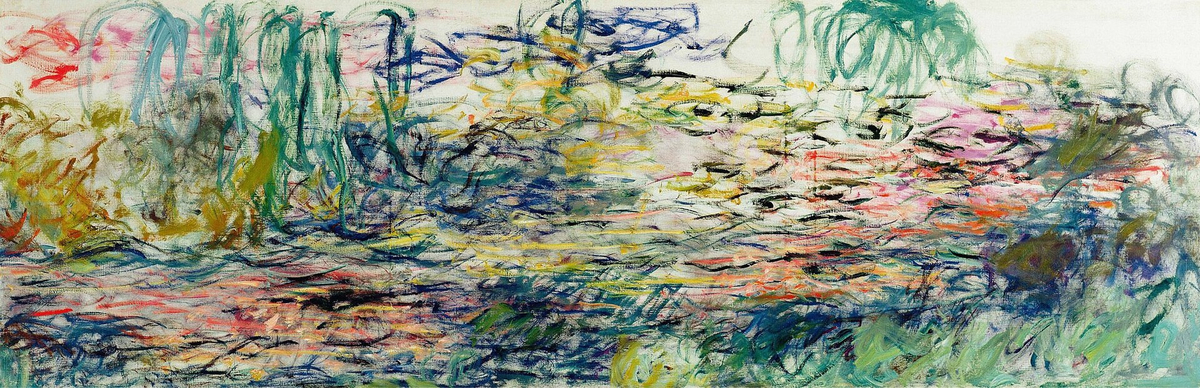
Claude Monet, a central figure in the Impressionist movement, made substantial contributions to art during a period marked by intense productivity. Around this time, he focused on creating a series of landscape paintings, which included his renowned Water Lilies series. Despite facing personal challenges and the aftermath of World War I, Monet persisted in his passion for capturing natural beauty on canvas.
Monet's Water Lilies series, painted in the gardens of his Giverny home, showcased a meticulous study of light and reflection on water. These paintings are celebrated for their innovative use of color and brushwork. At this particular moment, Monet sold four out of eleven of his Water Lilies paintings. This transaction occurred despite his reluctance, as he had a deep personal attachment to his works and rarely parted with them.
Monet's decision to sell these pieces was influenced by practical considerations, including financial needs and the desire to ensure his paintings reached a wider audience. The sale of these works contributed to his legacy, allowing more people to experience the transformative beauty of his art. Monet's Water Lilies went on to become some of the most iconic paintings of the Impressionist movement, continuing to be studied and admired in art institutions worldwide.
#ClaudeMonet #WaterLilies #Impressionism #ArtHistory #MoofLife
Primary Reference
Claude Monet | Water Lilies | The Metropolitan Museum of Art
Explore the Life Moments of
 AI Twin