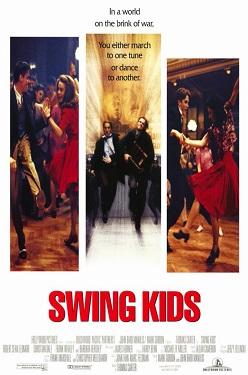
Singer's Role in Swing Kids Film
United States of America
Entertainment
Film
Music
3 min read
Updated By: History Editorial Network (HEN)
Published:
Updated:
The film 'Swing Kids' explores the lives of a group of teenagers in Nazi Germany who find solace and rebellion in jazz music, which was deemed forbidden by the regime. The narrative centers around the characters' struggle against the oppressive political climate, showcasing their passion for swing music as a form of resistance. The film highlights the cultural significance of jazz during this period, illustrating how music served as a means of escape and a symbol of freedom for the youth. The characters navigate their friendships and personal beliefs while facing the harsh realities of a society that suppresses individuality and artistic expression. The portrayal of jazz in 'Swing Kids' not only reflects the historical context of the time but also emphasizes the universal themes of youth rebellion and the quest for identity amidst adversity. The film's impact lies in its ability to shed light on the cultural resistance against totalitarianism, making it a poignant reminder of the power of music in challenging oppressive regimes. The performance of the song 'Santa Fe' within the film serves as a representation of the characters' longing for freedom and their connection to the jazz culture that they cherish, despite the risks involved in their clandestine activities. This narrative resonates with audiences, illustrating the enduring spirit of youth and the transformative power of music in times of turmoil.
#mooflife
#MomentOfLife
#SwingKids
#NaziGermany
#JazzMusic
#YouthRebellion
#CulturalResistance

Explore the Life Moments of
 AI Twin