The Hundred Days’ Reform and a Conservative Coup
China
Political
3 min read
Updated By: History Editorial Network (HEN)
Published:
Updated:
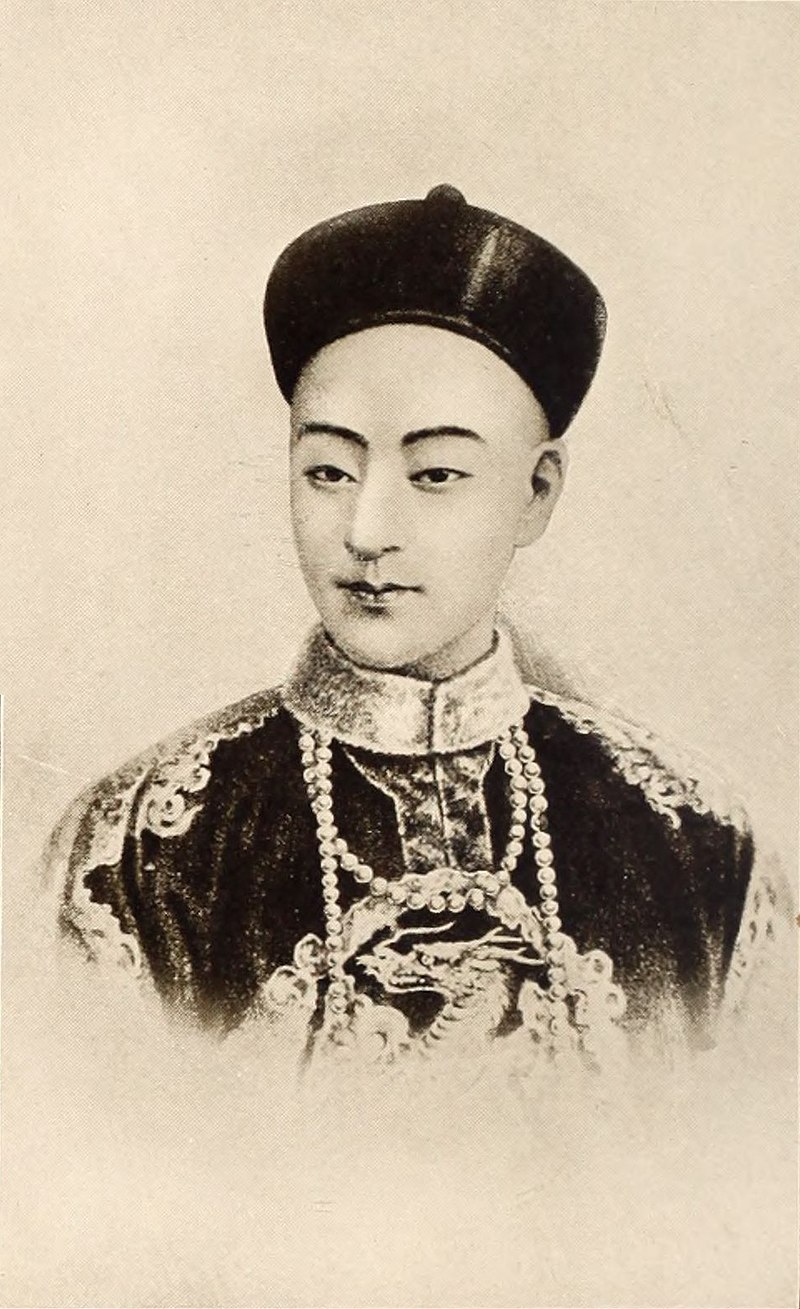
During the Hundred Days' Reform in China, the Guangxu Emperor initiated a period of rapid and radical changes to modernize the country. Influenced by reformers like Kang Youwei and Liang Qichao, the Emperor aimed to strengthen China economically, politically, and militarily. Reforms included modernizing the educational system, reorganizing the government structure, and implementing industrialization policies.
The impact of these reforms was significant. The changes aimed to shift China from traditional ways towards a more modern and efficient system, akin to Western nations. However, these drastic transformations faced strong opposition from conservative forces within the Qing court. Empress Dowager Cixi, who held significant power, orchestrated a coup against the Guangxu Emperor, effectively ending the Hundred Days' Reform. This event highlighted the deep-seated resistance to change within the ruling elite.
The Hundred Days' Reform showcased the struggle between traditionalists and reformers in China during this period. While the reform attempts were short-lived, they laid the groundwork for future modernization efforts in the country. The failed reform movement also highlighted the political challenges faced by those advocating for change in a deeply entrenched imperial system.
#China #Reform #Modernization #Conservatism #ImperialHistory
Primary Reference
Hundred Days' Reform

Explore the Life Moments of
 AI Twin