Revival of Imperial Examinations in Qing Dynasty
China
Social Structure
3 min read
Updated By: History Editorial Network (HEN)
Published:
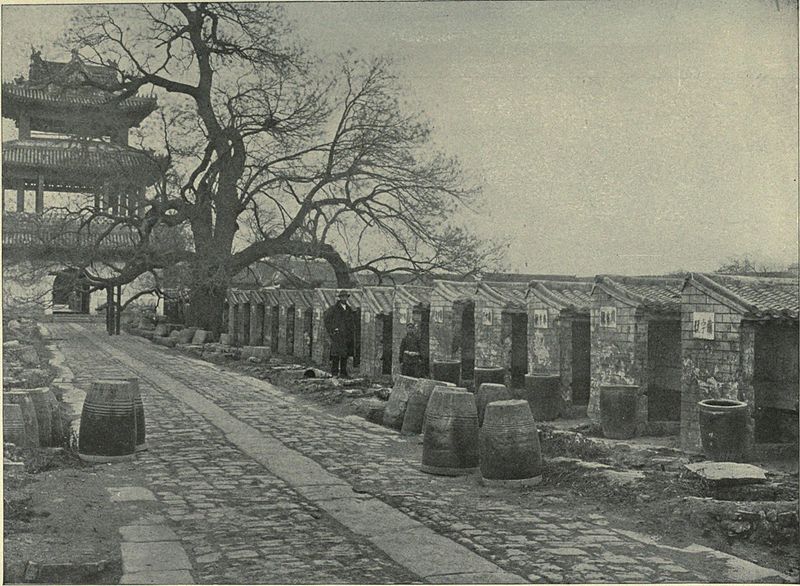
During the Qing Dynasty in China, the revival of the Imperial examinations, also known as the Keju system, took place. This marked a resurgence of the traditional method of selecting officials based on merit through rigorous examinations on Confucian classics and literary works. The background of this event stems from the Qing rulers' efforts to consolidate their authority and strengthen the bureaucracy.
The impact of the Keju system's revival was significant, as it allowed individuals from all social classes to have the opportunity to serve the imperial court based on their knowledge and abilities rather than noble birth. This led to a more meritocratic society and contributed to the stability and continuity of the Qing government.
Despite criticisms of the Keju system for being rigid and favoring the wealthy elite with better educational opportunities, it remained a cornerstone of the Qing Dynasty's governance until its abolishment in the early 20th century. Overall, the revival of the Imperial examinations during the Qing Dynasty played a crucial role in shaping the bureaucracy and societal structure in imperial China.
#ImperialExaminations #QingDynasty #Meritocracy #Confucianism
Explore the Life Moments of
 AI Twin